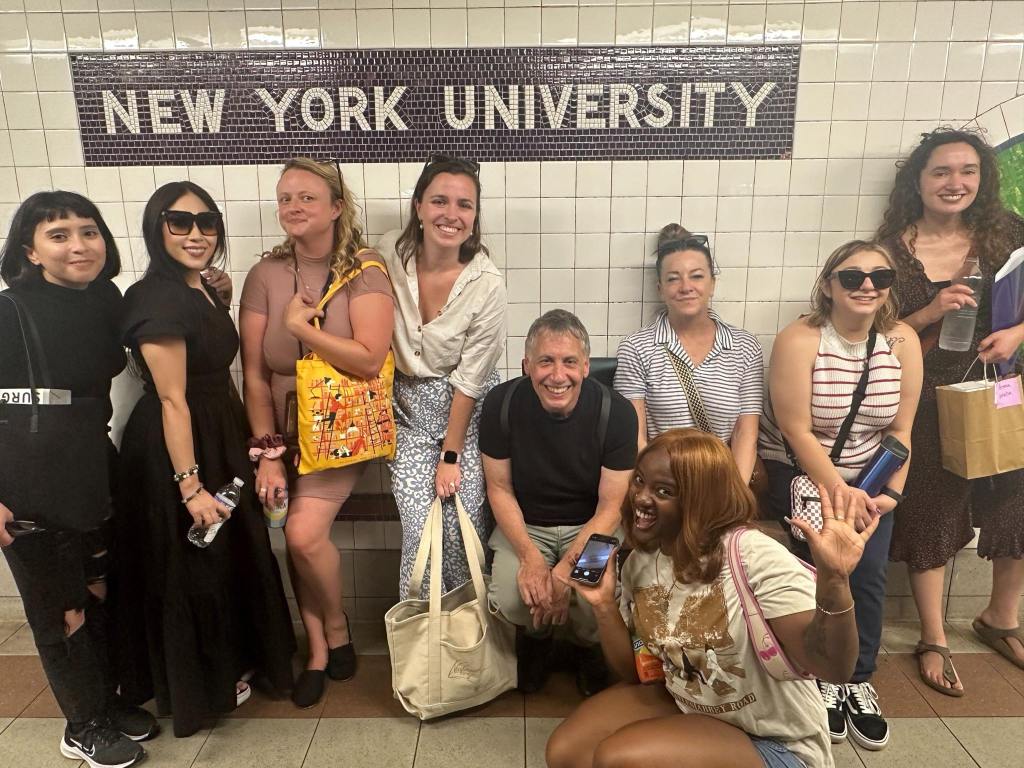
This past July, the 2024 NYU AJO Conference was more than just panels and networking—it was an immersive display of the future of journalism, led by some of the industry’s most influential voices. But what was it really like to be there? In this article, we step into the shoes of two students who attended. Their stories not only highlight how this conference is shaping their careers but also how it’s redefining the future of journalism itself.
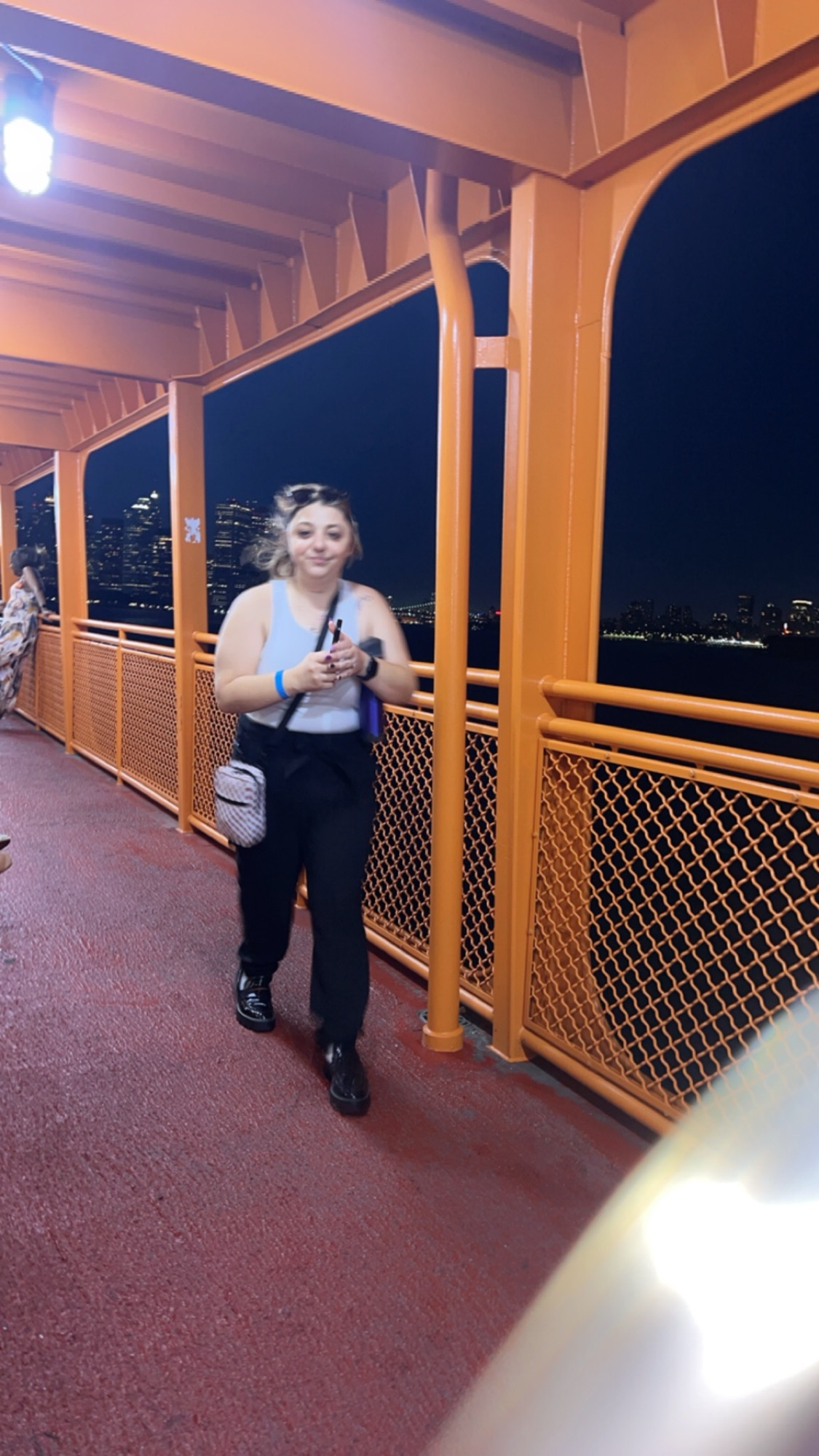
A New Journalist’s Perspective of NYC
By: Jasmine Knox
I’m no stranger to NYC. My family is from New Rochelle just outside of the city. I’ve taken several trips and walked the entire island of Manhattan end to end. However, as a new journalist, my past July trip gave me a brand new perspective of the Big Apple, and namely, how lots of journalism seems to start from the City and move outwards.
I am currently enrolled in the American Journalism Online (AJO) master’s degree program at New York University. In early July, AJO hosted their annual AJO in NYC conference. For three days, students, faculty, and alumni of the program converged on the Cooper Square building of the Arthur L. Carter journalism institute for networking opportunities, tours, of the campus and of the City, and panel discussions about the current and future states of the journalism industry. Topics of discussion ranged from speculation about the future role of AI in journalism and corporate hiring as a whole, pitching tactics, and navigating a career in journalism.
As familiar as the city is to me, it was hard not to feel like I was moved into a bigger pond. Here I was, with my first freelance piece still in the hands of an editor awaiting review, in proximity to the New York Times, CBS, ABC, the New York Post, and NBC, in the city where news happens. I felt both aspirational and intimidated. However, being surrounded by other “news junkies” who were just as passionate about reporting stories and speaking truth reminded me why I was there in the first place: not to impress or prove anything, but to learn.
Our panel speakers were composed of industry veterans: previous writers for the Wall Street Journal, someone who literally wrote the book on how AI controls hiring, and a discussion on broadcasting and bringing life to audio from a Peabody winner. I sat stupefied and overwhelmed by how inspired I was to knock down doors and interrogate anyone with a modicum of power or influence. Keeping my cool, I decompressed by mingling with other journalists also hungry for the truth.
By the end of our conference, I had made new friends and learned more than I could’ve asked for. The official slogan of the Washington Post rang as a refrain in my mind: “Democracy Dies in Darkness.” The journalists I spent time with were hungry for truth and accountability. While we learned about the obstacles in our way, like mass industry layoffs and the misuse of AI by those in charge of newsrooms, I came away with an instilled confidence that the future of journalism is in good, adaptable hands.
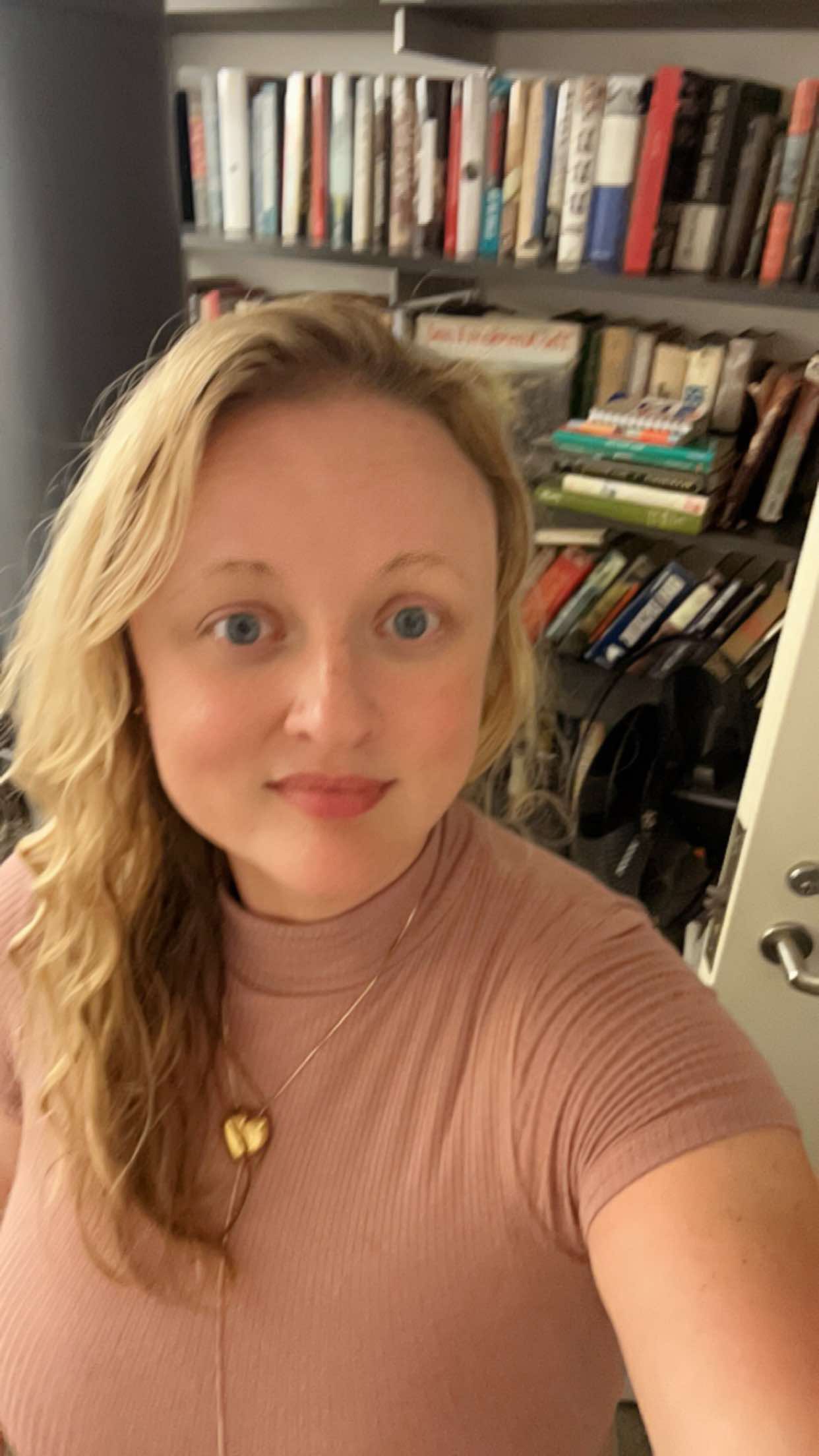
From Memories to Milestones: A City Revisited
By: Tricia Cherie
The heat hit me like a wave as I stepped off the Greyhound in Chinatown. Grabbing my suitcase, I began the 25-minute trek to a friend’s apartment off Lafayette in Brooklyn. By the time I was buzzed in, my long hair clung to the back of my neck. After some sincere but groggy pleasantries, I excused myself and collapsed onto the guest bed, conveniently positioned right in front of the air conditioner.
I tried to read a book, but my eyelids grew heavy almost immediately. Then, after a quick scan of my suitcases, I jolted out of bed—the one with all my clothes was missing.
Running on three hours of sleep and adrenaline, I broke into tears. I was already nervous about meeting and making an impression on my classmates and professors the next day, and now my wardrobe consisted solely of a Green Day T-shirt and black yoga shorts. After regaining my composure and locating the nearest Goodwill, I found a few dresses to get me through the week. Taking the win and vowing to figure out the specifics of the Greyhound debacle later, I finally managed to get some sleep.
The next day, I chose a short-sleeve pink dress, curled my hair, put on a bit of makeup, and set out to catch the train. Leaving early, I had plenty of time to stroll through Greenwich Village and soak in my surroundings. It was surreal to realize that the last time I wandered Greenwich alone was over a decade ago. I had interned with the incredible Wayne Barrett at the Village Voice back then. It was odd to see that the building now houses a Japanese BBQ restaurant. It had been the highlight of my young journalism career, and on that sunny day, it felt like while things had changed they had come full circle.
A deep sense of fulfillment swept over me as I pushed through the glass revolving door of 20 Cooper Square.
Once I found my way to the appropriate floor and room, the knot in my stomach tightened just a bit more.
After sitting down, I was surrounded by friendly faces—people I had already met in class online. Surprisingly, transitioning from online chats to in-person conversations wasn’t as nerve-wracking as imagined. After introductions and a quick workshop, we headed out for our Deadline Club tour—our first stop: Federal Hall.
After a few subway transfers, we arrived in the city’s Financial District. The walking tour, led by a New York native, focused on the history of legendary journalists and publications. The tour was one of the highlights of the event for me. It wasn’t until the day’s conclusion that we all realized it was the hottest day in New York City to that point.
After getting turned around more than a few times, the White Horse Tavern, where we were scheduled for dinner and drinks, was in our sights. Knowing food was immanent, some of us broke into an impromptu choir, singing what else but Beyoncé’s 2006 smash “Irreplaceable.”
The remaining days were filled with incredible speakers. One of the most captivating for me was Chenjerai Kumanyika, known to some as Hypno. He rose to fame in the late ’90s and early 2000s as part of The Spooks, a Philadelphia rap group. This of course appealed to me as a music journalist. His charisma and pleasant voice translated well in the sneak peak of the audio story “Empire City” he played for us. The upcoming podcast will dig into the stories behind the New York Police department. I walked away with a newfound interest in using audio storytelling to share history as effectively as breaking news.
The trip seemed to save the best for last as I boarded the Staten Island Ferry, intent on seeing the city lights with two of my fellow classmates. We shared deep stories about those we have loved and lost against the backdrop of the Statue of Liberty and the glistening skyline, vowing that seizing our opportunities is precisely what they would want for us. Undoubtedly, this conference turned into much more than I could have imagined and will be something I never forget.
 No Apologies
Leave a comment