
Mood Ring Radio
Raised Voices & Restless Rhythms: Protest Songs Across Generations
March 2025
Every month, Mood Ring Radio curates a playlist that reflects the mood of the moment—whether it’s the shifting seasons, cultural waves, or the energy of major events.
Co-curated by Tricia Chérie and Reilly Marie, this column bridges generations, mixing the new, the nostalgic, and the unexpected. Unlike algorithm-driven lists, we go beyond trends, pulling from any era to fit the vibe.
Because when it comes to music, feeling is everything.
On April 5, 2025, an estimated 3 million people joined over 1,400 “Hands Off” protests across all 50 states—making it one of the largest nationwide demonstrations in U.S. history.
In the shadow of that sweeping collective outcry, these songs reflect the moment and respond to it. From the crackle of Nina Simone’s “Mississippi Goddam” to the choral fury of Paris Paloma’s “Labour”, and the searing visuals of Childish Gambino’s “This Is America”, this playlist doesn’t just echo outrage—it amplifies it.
“Labour” Paris Paloma

Presented through a parade of breathtaking vocals and a buildup of synths, Paloma presents a raw, compelling depiction of gender roles and societal expectations. The song pokes at the marginalized expectations of women as they are burdened by physical and emotional work. It also deals with themes of the constant exhaustion that is brought by being female, they are plagued by emotional suppression and physical work. Paloma notably states, “All day, everyday, therapist, mother, maid, Nymph, then virgin, nurse, then a servant, Just an appendage, live to attend him, So that he never lifts a finger, 24/7 baby machine, So he can live out his picket-fence dreams, It’s not an act of love if you make her, You make me do too much labour.” -Reilly
“Take Me to Church” Hozier
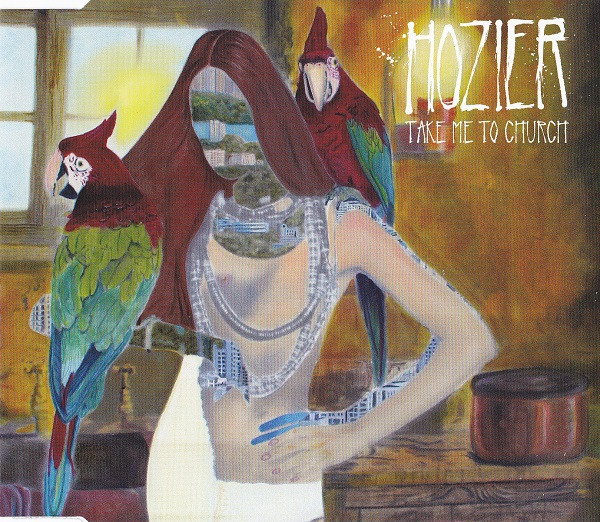
Hozier haunts listeners with daunting piano keys and powerful lyrics, reflecting upon themes of love, sexuality, and institutionalized religion. The song plays a crucial role in the critique of religious practices pertaining to sexuality and uses imagery to highlight the lack of self expression and freedom when rigid doctrines are put into place. He references worshipping like a dog, which suggests a sense of individual submission to an institutional, as well as forced devotion. -Reilly
“Formation” Beyonce

Beyonce celebrates black beauty through the upbeat nature and intriguing lyrics of “Formation.” She adds playful, yet meaningful lyrics to demonstrate cultural pride and dominance. In the music video, Beyonce explores imagery in the context of Black Lives Matter protests as a young boy dances in front of a line of police officers, with the words “Stop shooting us” spray-painted on the wall. -Reilly
“The Kids Are All Dying” Finneas
Finneas depicts elements of social construct, societal struggles, and disconnect between generates with poignancy. He focuses on the lives of young individuals and the fact that there is a constant failure to speak out on issues such as school shootings, war, and environmentalism. The phrase, “The kids are all dying” represents a literal, as well as figurative dying out of young generations: the loss of hope, mental health struggles, erosion of dreams. -Reilly
“Love It If We Made It” The 1975
With a surrealist, yet dark atmosphere, Healy explores themes of political disillusionment, social injustices, media manipulation, and the importance of empathy and solidarity. Lines like, “The whole world’s going mad” allude to the absurdity portrayed today within politics, media, and social protest. It relates to the idea of a fabricated cultural world as it is seemingly unstable, leading to people seeking justice. -Reilly
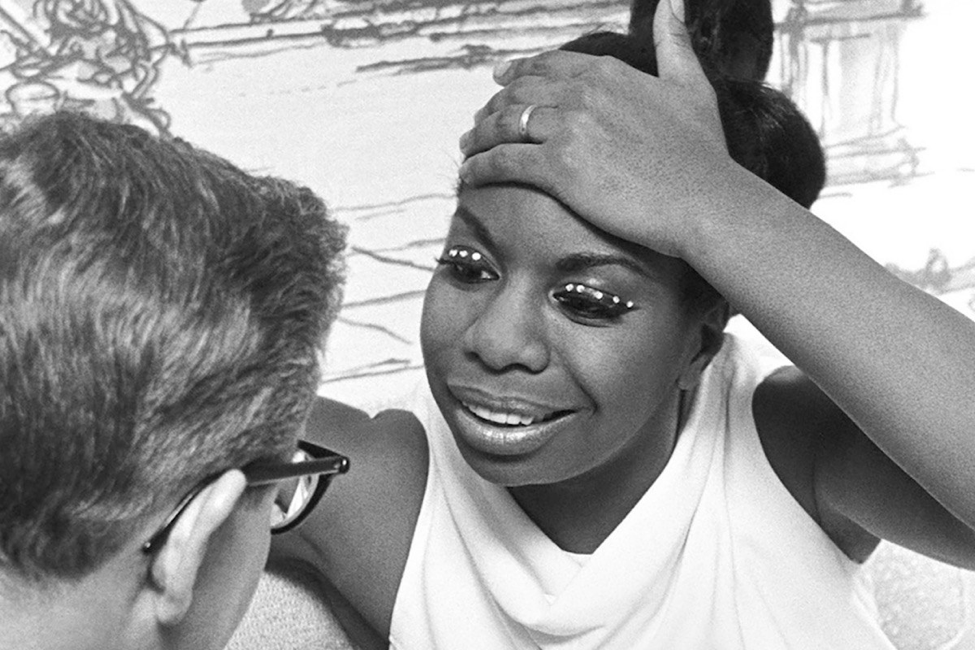
“Mississippi Goddamn“ Nina Simone
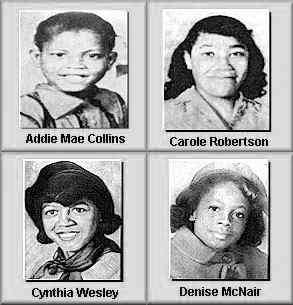
Something about Nina Simone’s “Mississippi Goddam” stops you cold. From the moment her fingers hit the keys, there’s no mistaking the conviction behind every line. That message hasn’t left me.
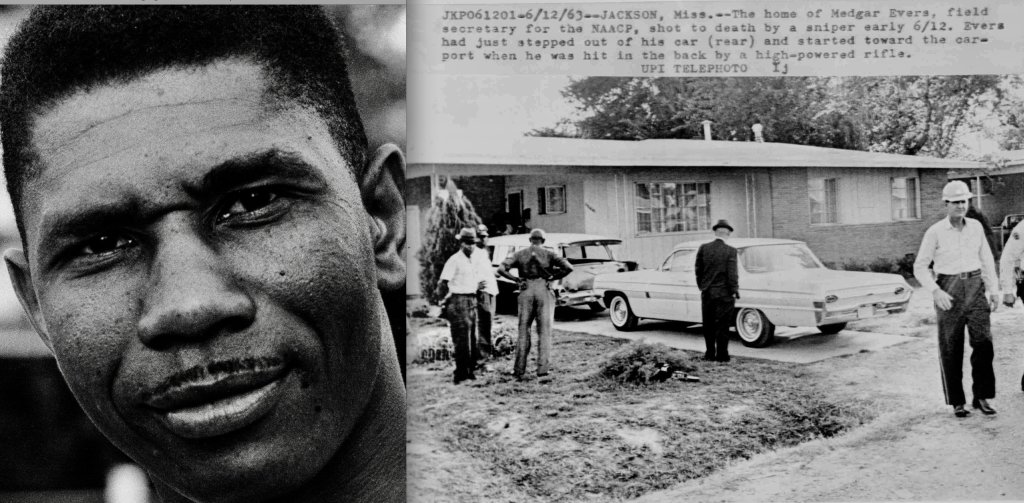
Written in less than an hour in a rush of fury after the murder of Medgar Evers and the 1963 Birmingham church bombing, Simone didn’t just sing about injustice—she seared it into public consciousness. With lyrics as sharp as they were unflinching, she turned her music into a weapon, condemning the slow grind of justice and the state-sanctioned violence Black Americans endured.
Though disguised as an upbeat show tune, its truth hit hard enough to be banned across the South. “Mississippi Goddam” remains one of the fiercest protest anthems of the civil rights era—and a blueprint for every artist since who’s dared to speak plainly. Because rage, when it’s righteous, doesn’t need to shout to shake the room. -Tricia
“United Health“ Jesse Welles
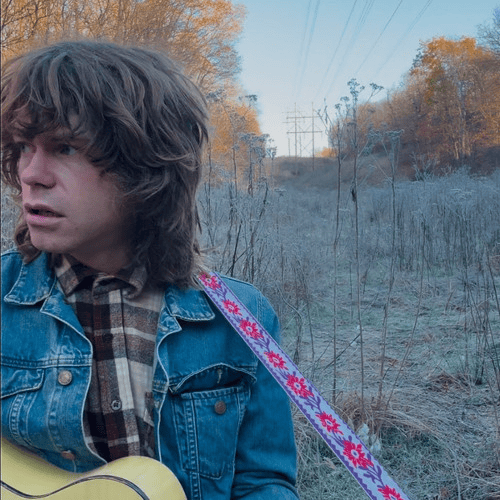
“United Health” by Jesse Welles hits like a quiet indictment, zeroing in on the cruelty baked into the American healthcare system. Welles—hailed by many as a new-age Bob Dylan—doesn’t sermonize. He tells the truth plainly: people are dying, not from illness, but from bureaucracy. The opening lines—“There ain’t no U in United Health / There ain’t no me in the company / There ain’t no us in the private trust / There’s hardly humans in humanity”—have been lodged in my brain since I first heard a snippet on TikTok.
Released in the immediate aftermath of UnitedHealth Group CEO Brian Thompson’s assassination in Midtown Manhattan in December 2024, the track cut through the noise like a siren in gridlock. It was an eerie prelude to the chaos that’s defined 2025—and a rare moment of national consensus. Across political lines, most Americans didn’t mourn the loss of a man whose profit-first policies had come to symbolize everything broken about the system. Instead, they took to the internet to share stories of their own personal suffering since Thompson’s leadership, AI algorithms were deployed to approve—or more often, deny—coverage claims. This decision has unequivocally contributed to countless preventable deaths.
It’s a rare kind of protest song that trades spectacle for stillness and leaves you sitting in discomfort long after the final note. In a nation where care is rationed by class, this track becomes a hymn for everyone still stuck in the waiting room. -Tricia
“Hostile Government Takeover“ AGiftFromTodd & Vinny

If rage could glitch, it would sound like this. “Hostile Government Takeover” by AGiftFromTodd & Vinny Marchi isn’t protest music that asks for attention—it demands it. What began as a 30-second TikTok clip of Todd singing into the void—just him, a fridge, and a terrifyingly catchy hook—struck a nerve with millions of Americans reeling from political burnout under the Trump administration.
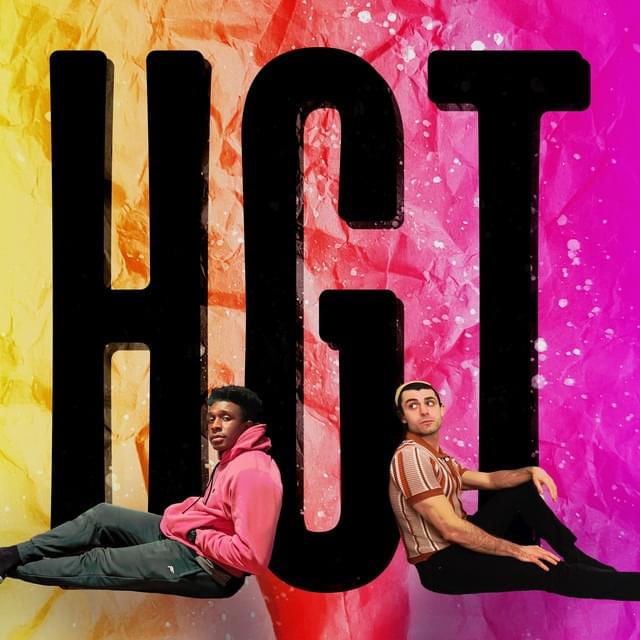
Todd’s deadpan delivery (“We’re in the middle of a hostile government takeover / I wanna talk about it but I’ll be late for work”) resonated so deeply that users flooded the comments with duet harmonies, emotional reactions, and remix demands. EDM producer Vinny Marchi quickly obliged, remixing the song into a full-length protest anthem. In under 48 hours, the two had a finished track.
Warped synths, wailing sirens, and BPMs that sprint past restraint make it feel less like a song and more like a system warning. It’s chaotic, electric, and refuses to sit still—mirroring the energy of a generation done being polite about oppression.
Then came the John Oliver bump. During the Season 12 premiere of Last Week Tonight, Oliver introduced the song as “the single catchiest song ever” and played it as a way of coping with political fatigue. Within hours, the track surged into the Spotify Viral 50, racking up over a million streams in its first week and becoming a soundtrack for digital dissidents, Reddit revolutionaries, and everyone white-knuckling their way through the headlines.
In a landscape flooded with static, “Hostile Government Takeover” cuts through like a red alert—unrelenting, confrontational, and disturbingly danceable in all the right dystopian ways. -Tricia
“This Is America” Childish Gambino
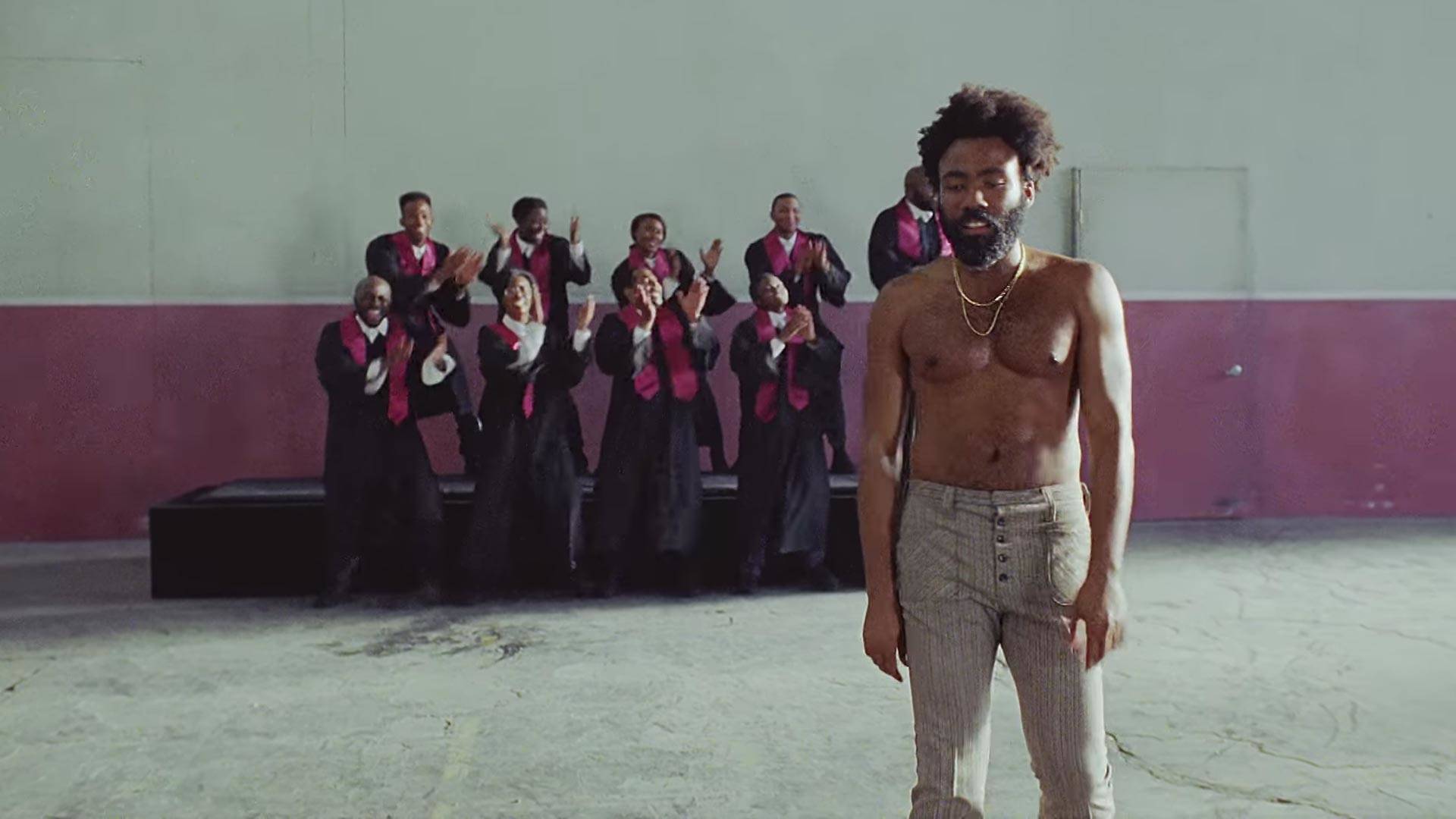
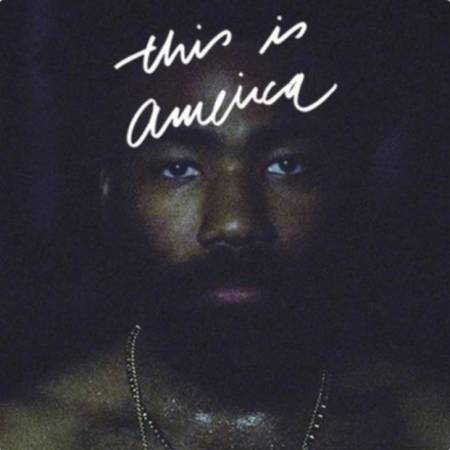
When “This Is America” dropped in 2018, it was a gut check. Mass shootings had already become background noise in America—from the Charleston church massacre to the growing toll of school shootings. The U.S. holds just 5% of the world’s population but owns nearly 46% of its civilian-held guns—and accounts for over one-third of global mass shootings. That imbalance isn’t abstract—it’s lethal. In 2023 alone, more than 48,000 Americans were killed by guns, including over 300 children under the age of 12.
Donald Glover—performing as Childish Gambino—didn’t ease us in. He opened the video by executing a hooded guitarist mid-riff, then glided into choreography without pause. Moments later, he gunned down a gospel choir and snapped back into rhythm like nothing happened. Joy and violence weren’t just juxtaposed—they were intertwined.
Directed by longtime collaborator Hiro Murai, the video fuses South African Gwara Gwara dance, surrealist violence, and Black Americana into a fever dream of contradictions. A child appears with a red cloth to gently collect the weapon; bodies are dragged away in silence. The dancing never stops. The music never apologizes.
“This Is America” wasn’t just a song—it was a warning. About spectacle. About systemic violence. About how easy it is to dance past the bodies. With four Grammy wins, over 900 million views, and a place among the most dissected videos of the 21st century, it remains a blistering portrait of American contradiction. And six years later, we’re still living inside it. -Tricia
“Killing in the Name” Rage Against The Machine
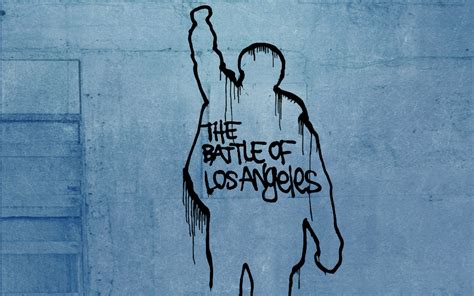
“Killing in the Name” wasn’t just sparked by the Rodney King beating and the unrest that followed—it was a sonic detonation. Released in 1992, the track channels distortion, defiance, and raw fury, taking aim at every institution propped up by silence, fear, and forced obedience.
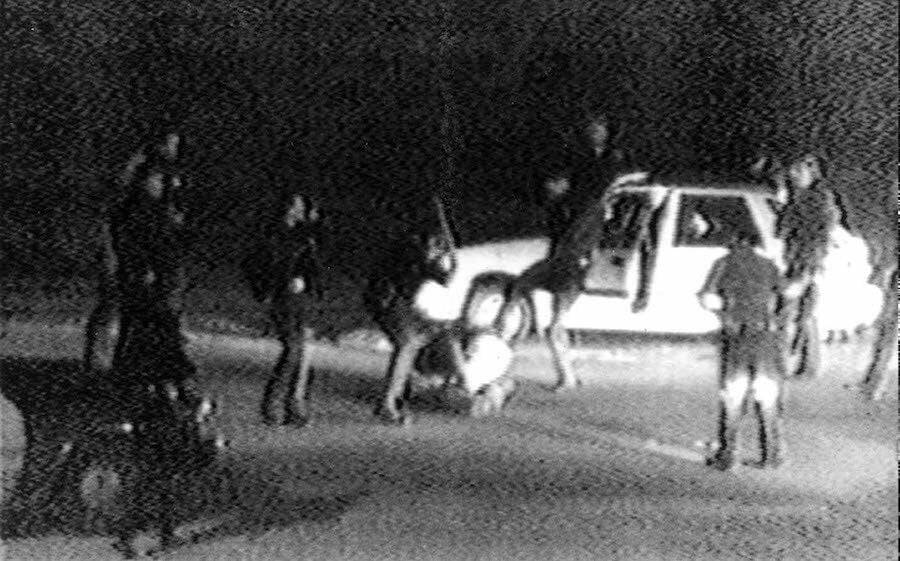
A still from the infamous Rodney King tape, showing his violent beating by LAPD officers on March 3, 1991.
With its now-iconic lyric—“Some of those that work forces are the same that burn crosses”—Rage Against the Machine forced listeners to confront the ugly overlap between authority and hate. The song’s unflinching critique of police brutality and systemic racism made it a lightning rod—and a lasting anthem.
More than three decades later, it still hits like a riot in your chest. The guitars grind, the drums lurch, and that final shouted mantra—“Fuck you, I won’t do what you tell me”—feels just as urgent on protest signs as it does blasting from a speaker. Whether you first heard it in a mosh pit or stumbled on it in a digital rabbit hole, “Killing in the Name” remains a rally cry: loud, unrelenting, and brutally relevant.-Tricia
 No Apologies
Leave a comment