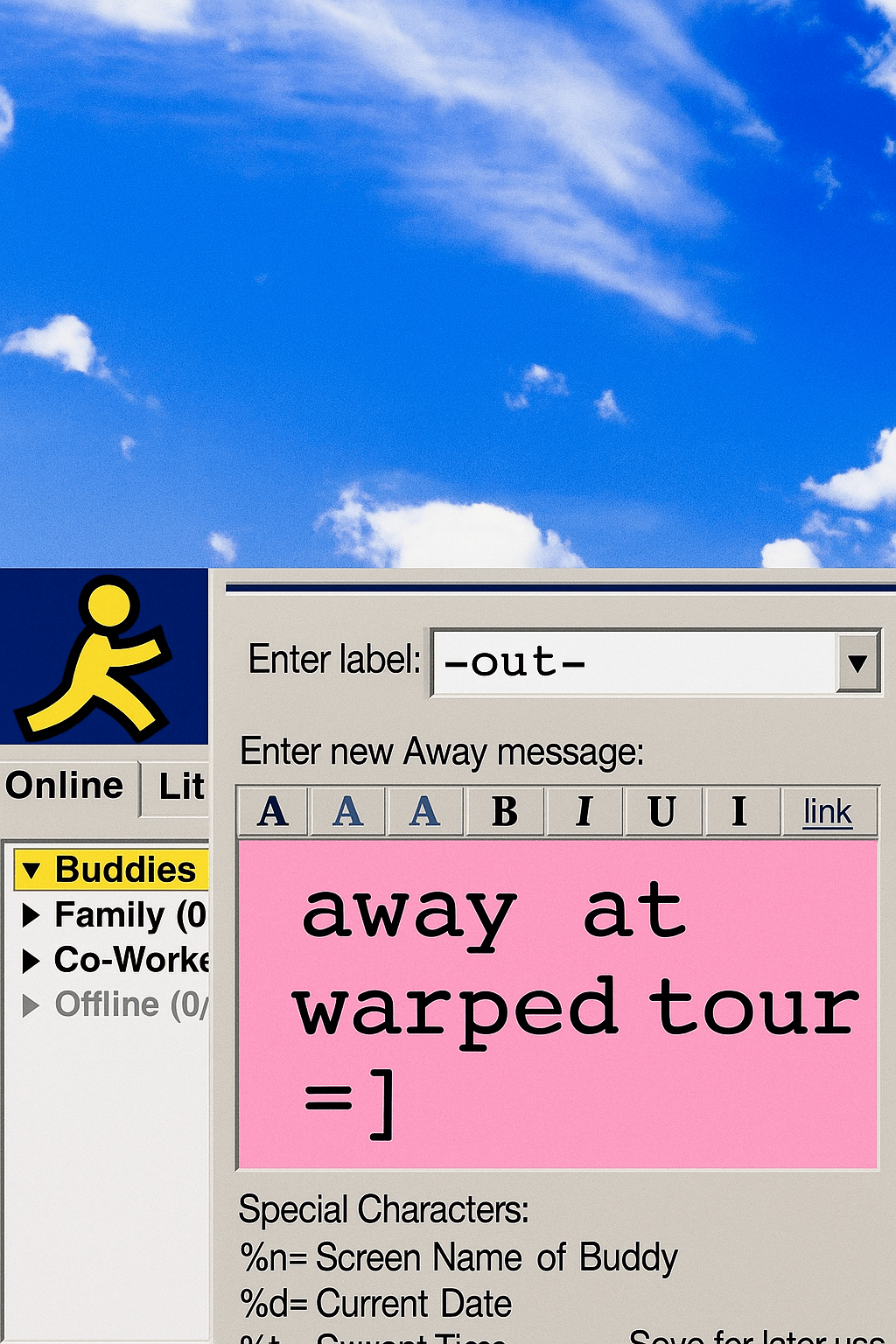
New Blood vs. Nostalgia: Inside Warped Tour’s Gen-Z Reboot
June 2025
By: Tricia Cherie
If Coachella was your cousin’s Instagram debut, Warped Tour was your older sister’s final MySpace post—chaotic, cathartic, and soaked in sweat. For scene kids, it wasn’t just a festival. It was our origin story—our main character era before we even had a word for it.
The tour officially called it quits in 2019 with a 25th anniversary blowout—Blink-182, The Used, Simple Plan—what felt like a farewell, not a comma. A final curtain call for eyeliner and angst.
But it’s 2025, and Warped Tour is back. After a six-year hiatus, it’s rising like a studded-belt phoenix for its 30th anniversary, taking over three cities with stacked two-day lineups.
This Mood Ring Radio edition pairs past and present to show Warped’s not dead—it just changed outfits and kept its original fans on the guest list. Whether you cried in a Porta Potty in 2004 or dodged TikTok teens in 2025, this one’s for the bruised, the sweaty, the nostalgic, and the ones still screaming in the pit.
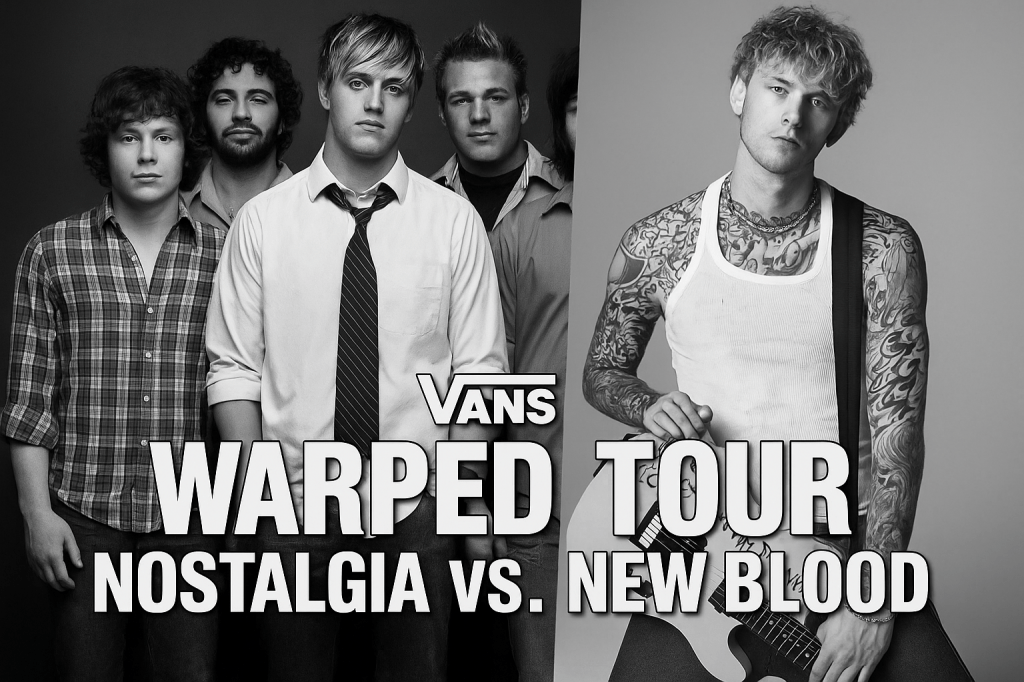
💿 Cartel vs. Machine Gun Kelly Burned-CD sincerity vs. chaos-pop exhibitionism
Why it works: Cartel gave us heartbreak in a hoodie. MGK gave us a meltdown in pink nail polish. Two eras, both explosive in their own right—one aching and cinematic, the other unruly and loudmouthed.
At the height of the mid-2000s emo boom, Cartel introduced themselves with Chroma, a debut that helped define the Warped Tour generation. Fueled by their breakout single “Honestly”—which broke into the mainstream via the John Tucker Must Die soundtrack and later went gold—the band carved out a place in the hearts of emo-pop fans everywhere. Released in 2005, Chroma was the kind of album that made teenage bedrooms feel like indie movie sets—full of clean hooks, orchestral flourishes, and just enough angst to turn a DIY mixtape into a full-blown emotional manifesto.
By the time they hit Warped Tour 2006, Cartel had locked in their spot in the alt-rock canon—soundtracking late-summer crushes, long drives, and away messages that doubled as love notes. Each track on Chroma blurred into the next like a late-night confession passed between friends, balancing emotional candor with a glossy pop sheen.
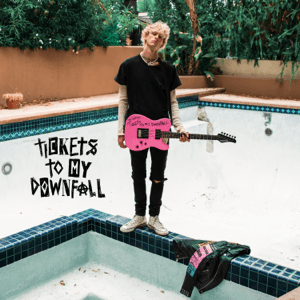
Fast-forward to 2020: the world was deep in lockdown and listeners were craving a pop-punk revival. Enter Tickets to My Downfall—Machine Gun Kelly’s genre pivot from rap to guitar-driven angst. Teaming up with Blink-182’s Travis Barker, MGK turned quarantine heartbreak into glossy rebellion. With features from Halsey, Trippie Redd, and Iann Dior, the album topped the Billboard 200 and went platinum—despite polarizing critics and fans alike.
To some, it was cosplay. To others, a lifeline. Either way, Tickets to My Downfall marked a generational reset.
Where Cartel’s earnestness felt like diary entries, MGK’s pop-punk pivot was catharsis in overdrive—Instagram posts, pink hair, and gut-punch lyrics that felt like survival. Tickets to My Downfall didn’t just make noise; it made space for feeling too much. Both albums soundtracked moments that felt bigger than ourselves. Isn’t that the point?
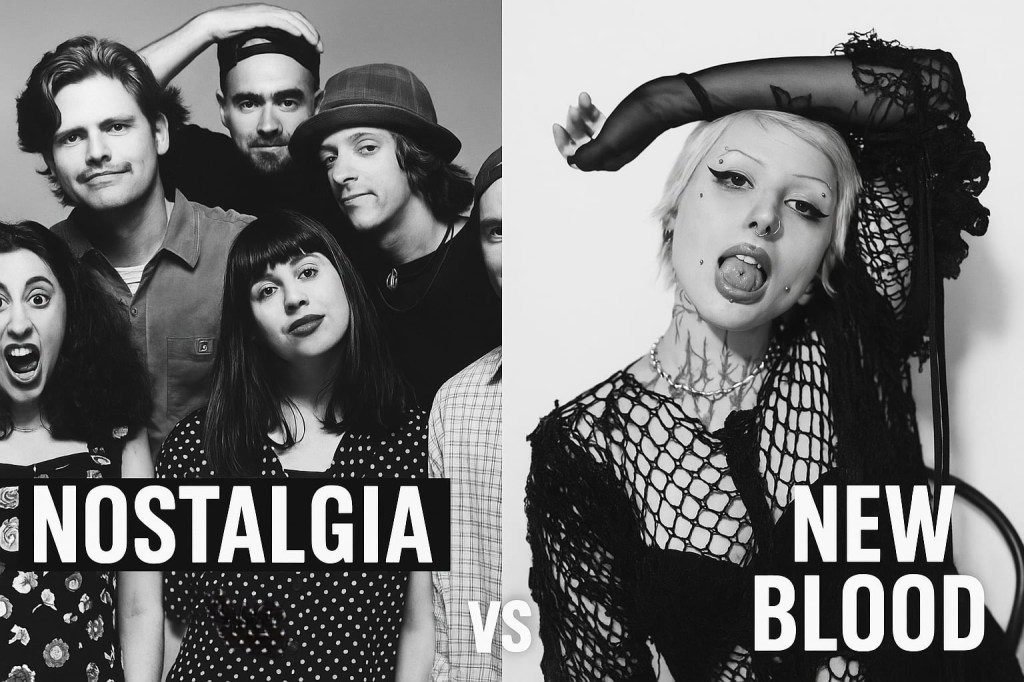
 Carolesdaughter vs. Dance Hall Crashers TikTok goth-pop vs. ska-pop misfits.
Why it works: Different decades, same chaotic energy—girls with attitude, eyeliner, and no interest in playing it cool.
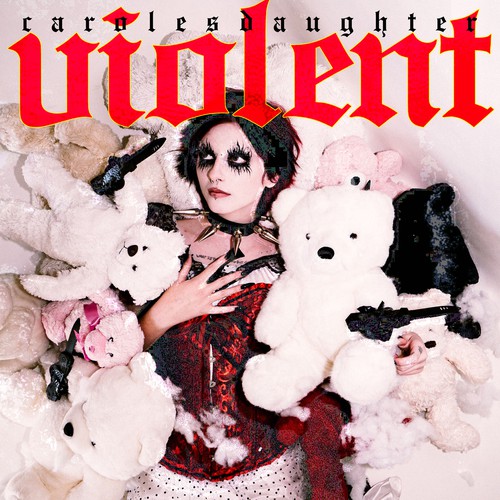
Carolesdaughter (Thea Taylor) crashed into the alt-pop scene the way most Gen Z artists dream of—armed with GarageBand, real-life trauma, and a TikTok fanbase ready to scream along. She wrote her breakout single “Violent” while in rehab, laying down trap-goth confessions over lo-fi beats. The song climbed to No. 10 on Billboard’s Hot Alternative Songs chart and eventually went platinum. No label polish, no pretense—just a girl with something to say and the Wi-Fi to share it.
But it was 2021’s “Trailer Trash” that made her impossible to ignore—full of barbed self-awareness, viral sadness, and a kind of messy sincerity that felt tailor-made for a pandemic summer. It was what happens when a Tumblr post grows legs and learns how to scream.
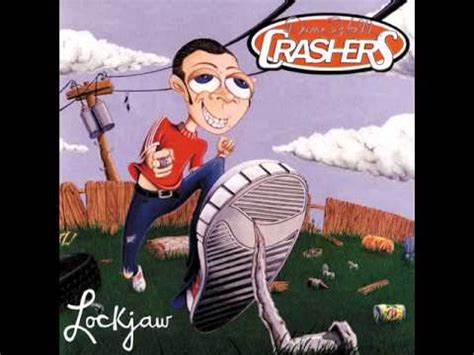
Back in the ‘90s, Dance Hall Crashers brought that same refusal-to-be-contained energy—but through ska-infused punk-pop and fierce vocal chemistry. Formed by Operation Ivy alumni Matt Freeman and Tim Armstrong, the East Bay band made their mark with tight harmonies, sharp edges, and a don’t-mess-with-us attitude. Their 1995 record Lockjaw, now reissued on vinyl, dropped the horns and cranked the guitars—making room for co-vocalists Elyse Rogers and Karina Deniké to tear through every track like a glitter-slick wrecking ball.
Even deep cuts like “He Wants Me Back” hit like riot grrrl anthems disguised as singalongs—slick, sharp, and built to get stuck in your head.
Carolesdaughter sings from the eye of the emotional storm—raw, wired, and unfiltered. Dance Hall Crashers danced on the edges of the fire—burning bright and unbothered. Both acts prove that rebellion doesn’t need to shout—it just needs to show up unapologetically.
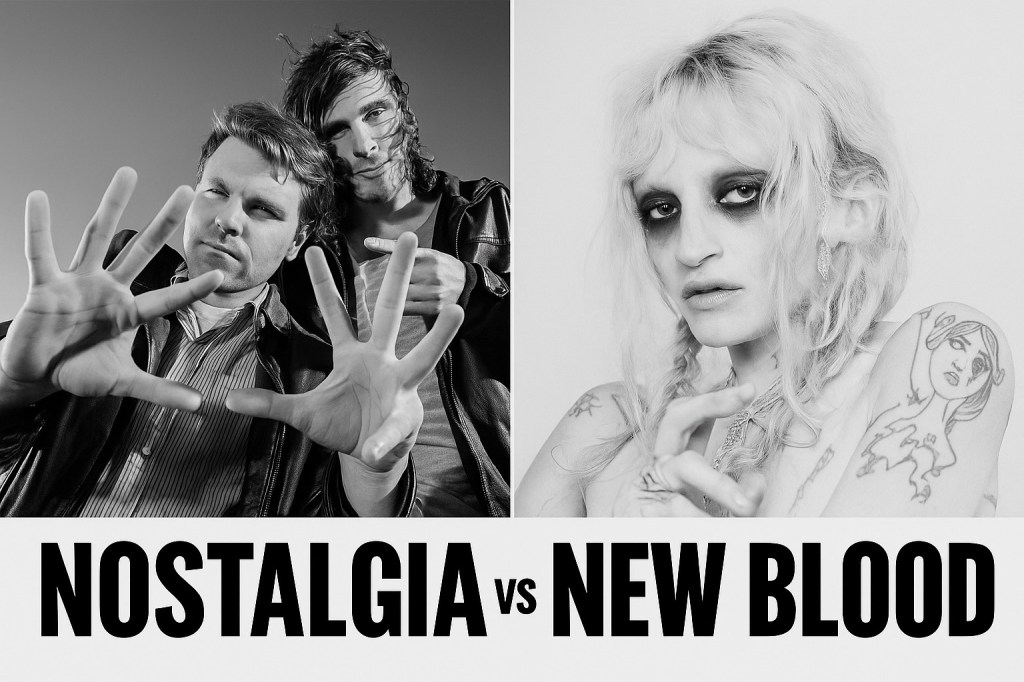
🎤 3OH!3 vs. Royal & The Serpent
Scene-kid chaos vs. TikTok trash-pop priestess
Why it works: Both acts flirt with self-aware sleaze and glitchy hedonism—3OH!3 gave us neon nihilism, Royal gives us emotional anarchy in fishnets. Together, it’s a matchup of unhinged bangers.
3OH!3 practically coined the phrase “don’t trust a hoe”—and wore it like a raunchy badge of honor. Their 2008 breakout album Want wasn’t just the soundtrack to MySpace profiles and Hot Topic parking lot makeouts—it was a playful middle finger to sincerity. I’ll never forget my brother going full-send on “Don’t Trust Me” at his 18th birthday karaoke—his performance, both cringey and committed, left some relatives visibly stunned.
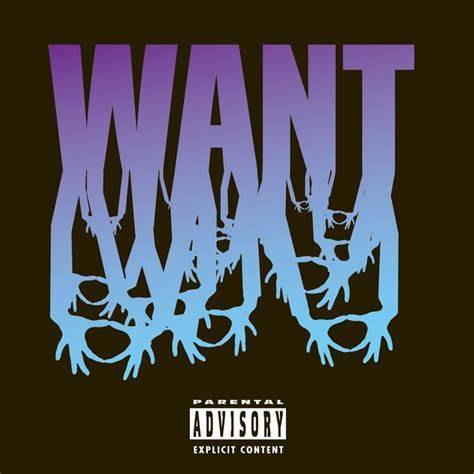
In July 2015, I covered their Warped Tour set for my local paper—press pass clipped to my shirt, lens fogging from the heat. The fans squealed, their hands forming the band’s infamous symbol, and later held up those who surfed their way to the front.
Tracks like “Starstrukk” and “Don’t Trust Me” thrived on hyper-masculine absurdity and electro-trash maximalism, walking the fine line between parody and party anthem. You weren’t meant to take them seriously—but you were meant to scream every word like your skinny jeans depended on it.
Fast-forward to Royal & The Serpent, whose music feels like the emotional comedown from that same party—half-glam, half-breakdown. Her breakout “Overwhelmed” wasn’t just a streaming hit—it became a quarantine-era anthem, capturing the freefall of 2020’s collective anxiety with jagged production and childlike vulnerability.
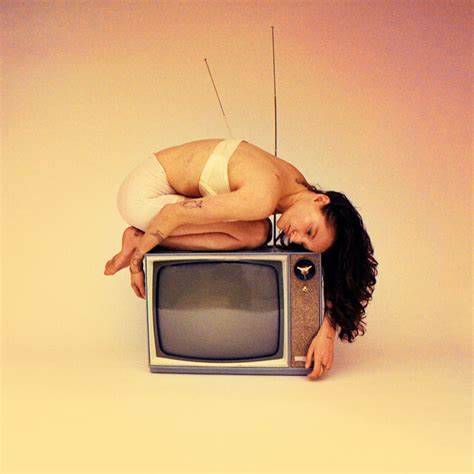
Follow-ups like “IM NOT SORRY” and “One Nation Underdogs” extend that catharsis through a Gen Z lens of irony, chaos, and emotional overload.
But it’s her 2021 EP searching for nirvana where Royal—born Ryan Santiago—fully commits to the descent. Inspired by Kurt Cobain’s rawness and YUNGBLUD’s theater-kid bravado, she soundtracks heartbreak and self-actualization with the urgency of a panic attack set to synths.
She’s not just another alt-pop act with a snarl in her voice and cobwebs in her synths. Royal & The Serpent is a walking contradiction—part performance art, part breakdown, all heart.
3OH!3 reveled in absurdity and afterparty swagger. Royal stares back from the bathroom mirror—smudged makeup, trembling hands, and too many tabs open in her brain. Both acts channel rebellion, but from opposite ends of the night. One lit the fuse. The other walks barefoot through the aftermath.
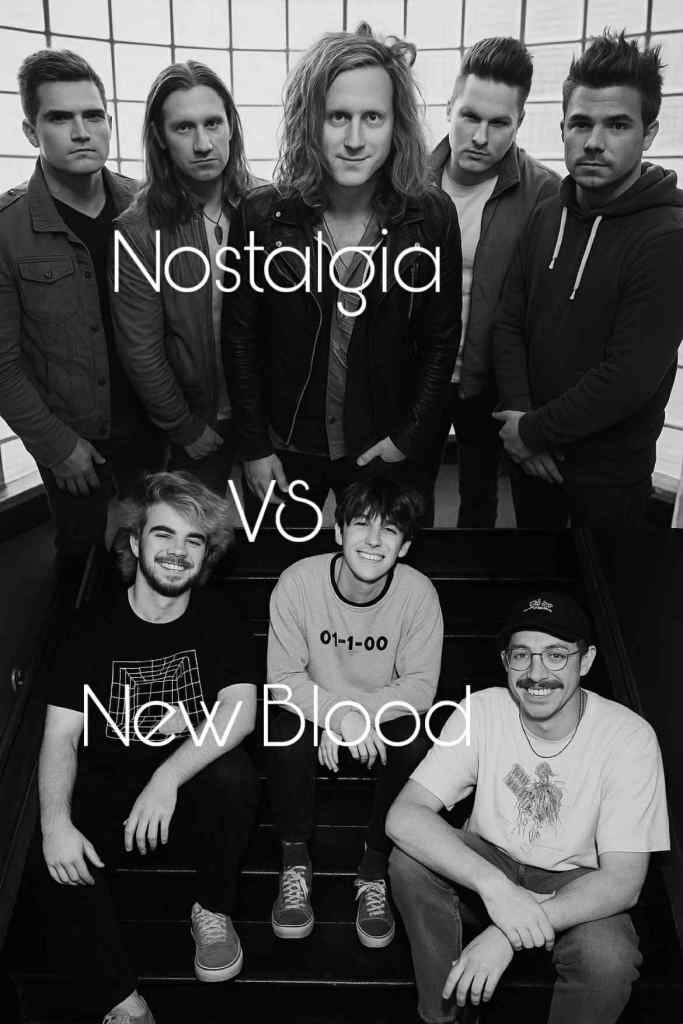
🎸 We The Kings vs. Saturdays at Your Place Prom-core nostalgia vs. DIY heartbreak pop
Why it works: We The Kings was prom night. Saturdays at Your Place is the breakdown after. Same heart-on-sleeve energy, just messier.
We The Kings entered the scene when MySpace ruled the internet and pop-punk was deep in its power-ballad era. Their 2007 self-titled debut delivered “Check Yes Juliet,” a platinum-certified anthem that distilled teen urgency into two-and-a-half minutes of melodic defiance.
I first saw them in October 2009, playing an afternoon set on the grassy quad at my alma mater, UMW. I was 19, front row with a digital camera and big feelings. After the show, they signed my Alternative Press cover like the pop-punk sweethearts they absolutely were. That same year, they hit the Warped Tour circuit—and yes, I dug up the YouTube footage. Travis’s hair? Iconic. No notes. They also ended up on the second-ever cover of No Apologies Magazine—a chaotic little masterpiece I threw together in Microsoft Publisher before I had a proper art team.
Follow-ups like Smile Kid and Sunshine State of Mind proved they weren’t a one-album wonder. Whether teaming up with Demi Lovato or snagging a VMA for “Most Innovative Music Video,” they stayed in rotation for the better part of a decade—on Warped Tour stages, prom playlists, and DIY mixtapes across suburbia.
Nearly two decades later, We The Kings are back on the 2025 Warped Tour stage, reminding us what emotional pop-punk looked like before TikTok therapy-core and trauma-dump lyricism took over. They walked so Saturdays at Your Place could spiral—taking that same heart-on-sleeve angst and running with it in a new, beautifully unfiltered direction.
Straight out of Kalamazoo, Michigan, Saturdays at Your Place are reviving emo-pop-punk with DIY grit, twinkly guitars, and lyrics that hit like secrets you didn’t mean to share. Tracks like “Tarot Cards” pulse with Motion City Soundtrack’s manic charm but swap out neon flair for Midwest dread.
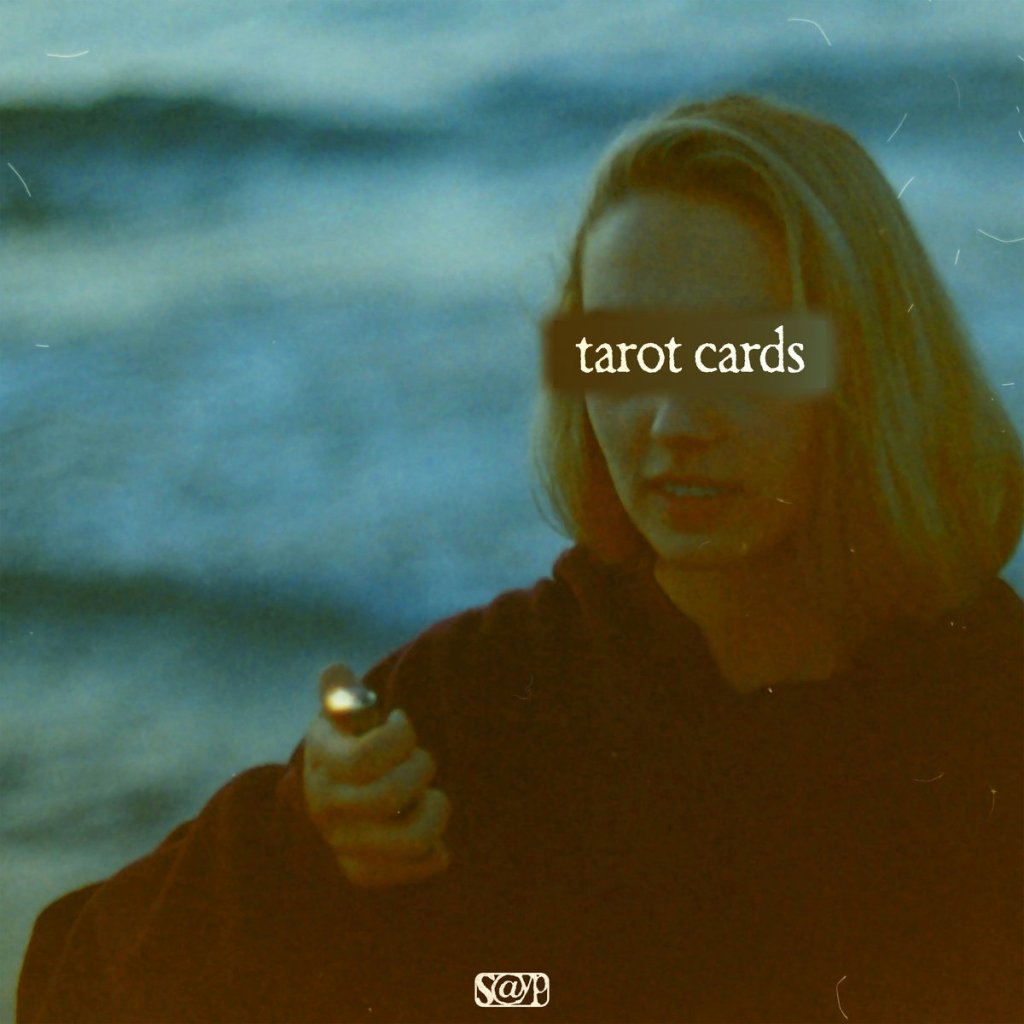
Their 2023 EP always cloudy is a six-song spiral through parties, panic attacks, and passive-aggressive flirting. On “Tarot Cards,” vocalist Esden Stafne confesses, “I get nervous at parties / it’s harder to hide in a crowded room,” followed by: “You like my T-shirt, so I’ll compliment your shoes.” Less small talk, more emotional surrender.
A split record and cult following cement their place in the DIY emo revival.
Where We The Kings polished heartbreak until it shimmered, Saturdays at Your Place leave it cracked and humming—pop-punk’s not dead, it’s just hanging out in Kalamazoo, scribbling heartbreak on the walls of a basement show.
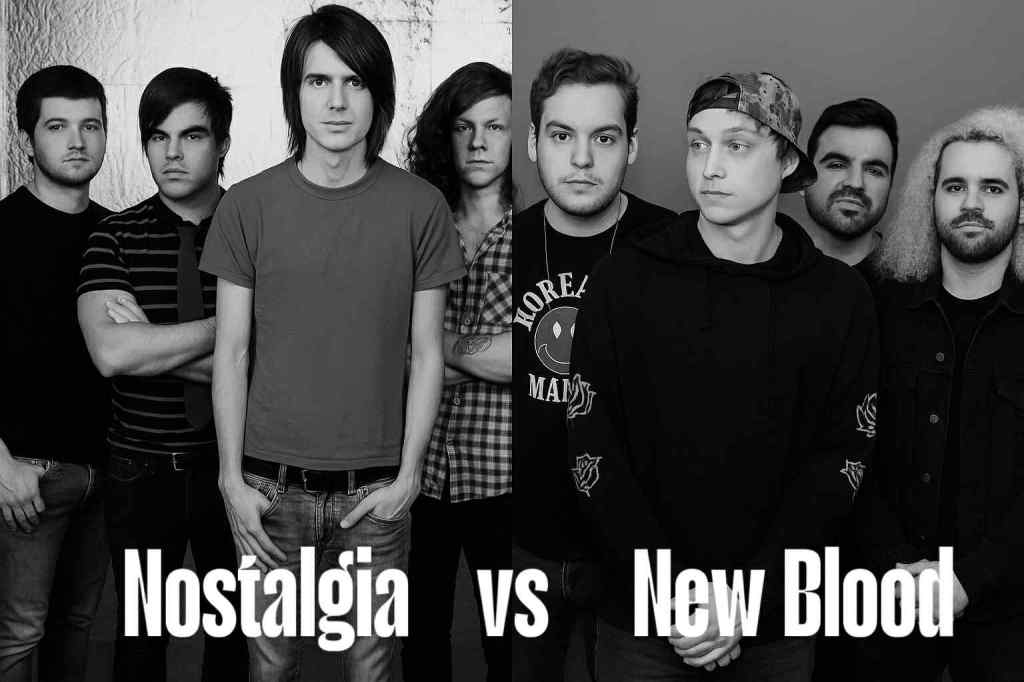
💔📣 Mayday Parade vs. State Champs Emotion-forward pop-punk vs. Stadium-sized heartbreak
Why it works: Mayday Parade turned heartbreak into melodic theatre—State Champs tightened the bolts and blasted it through stadium speakers. Different tempos, same heartache.
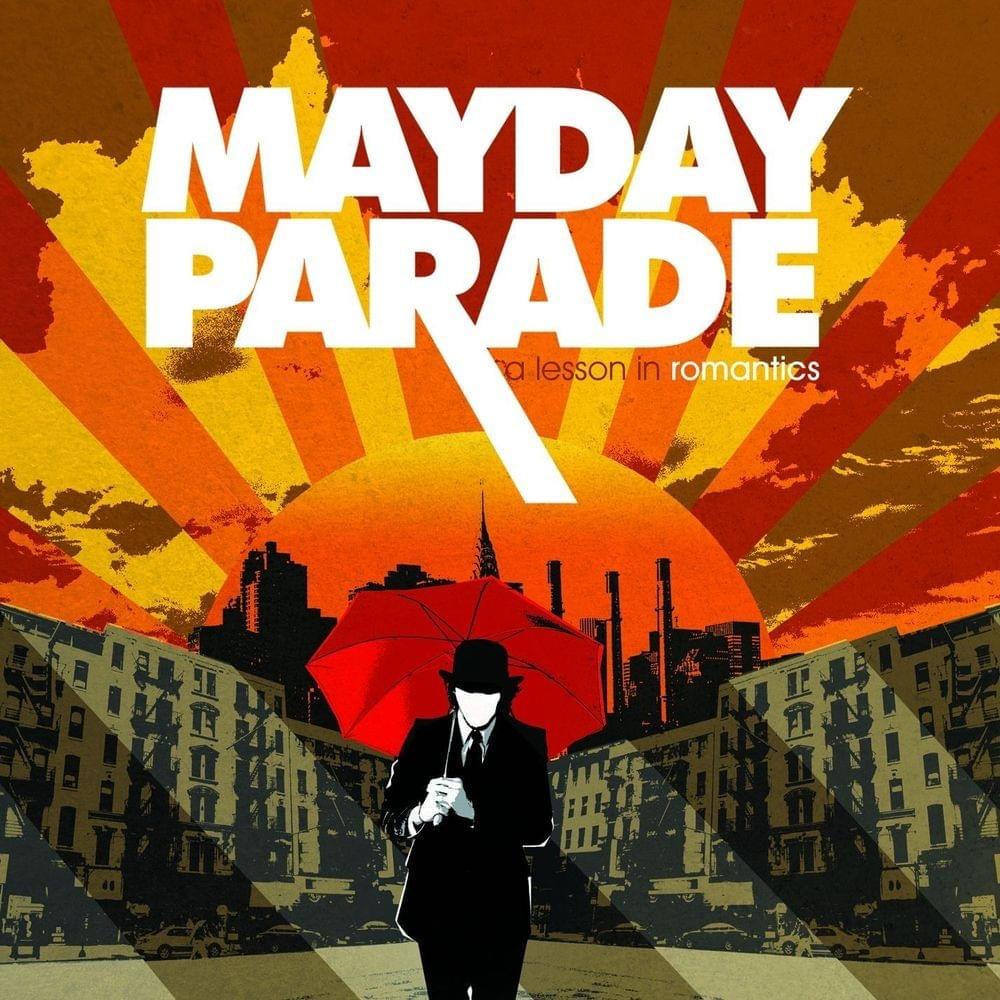
Mayday Parade didn’t just document heartbreak—they turned it into a rite of passage. Formed in Tallahassee in 2005, they dropped A Lesson in Romantics and made mid-2000s kids feel seen, screaming along to tracks like “Miserable at Best” and “Jamie All Over”.
Even after co-vocalist Jason Lancaster left, the band doubled down on emotional precision, making heartbreak feel forensic and huge—building anthems that were always sad, always soaring.
In 2025, they’re still here—older, louder, and sharper. Their latest album Sweet kicks off a three-part project and proves they haven’t run out of things to cry (or scream) about.
Whether you’re clinging to Black Lines or vibing to their lo-fi rewrites, Mayday’s gift is cutting clarity. They’ve never pretended to be cool—they just make heartbreak feel massive. That’s why they still pack out crowds on Warped’s anniversary stage: for every kid who swears they’re over it but knows every word.
State Champs, by contrast, have always been pop-punk’s sharp-dressed workhorses of the genre—tight hooks, melodic sprints, and just enough edge to make you throw your phone down midscroll. Their Self-Titled (2024) album doesn’t reinvent the genre, but it doesn’t have to. Tracks like “Silver Cloud” and “Light Blue” deliver summer energy with breakup banger DNA.

Now over a decade deep, the Albany band has outlasted many peers not just through consistency—but by staying emotionally legible. Songs like “I Still Want To” and “Golden Years” tap into quarter-life chaos with open-chest honesty. Even when the riffs feel familiar, the feelings still sting.
State Champs aren’t reinventing pop-punk. They’re keeping the engine running, headlights on, offering a handoff that still leaves a mark.
Mayday Parade translated heartbreak into widescreen anthems—raw, detailed, and hard to forget. State Champs took that emotion and refined it, delivering crisp, high-impact hooks for a generation living through its own version of chaos.
Warped may have swapped zip codes and Zeitgeists, but the pit? It’s still full of sweat, screams, and stories—whether you showed up in fishnets or a FYP algorithm.
It’s camp. It’s catharsis. It’s Warped Tour 2025.
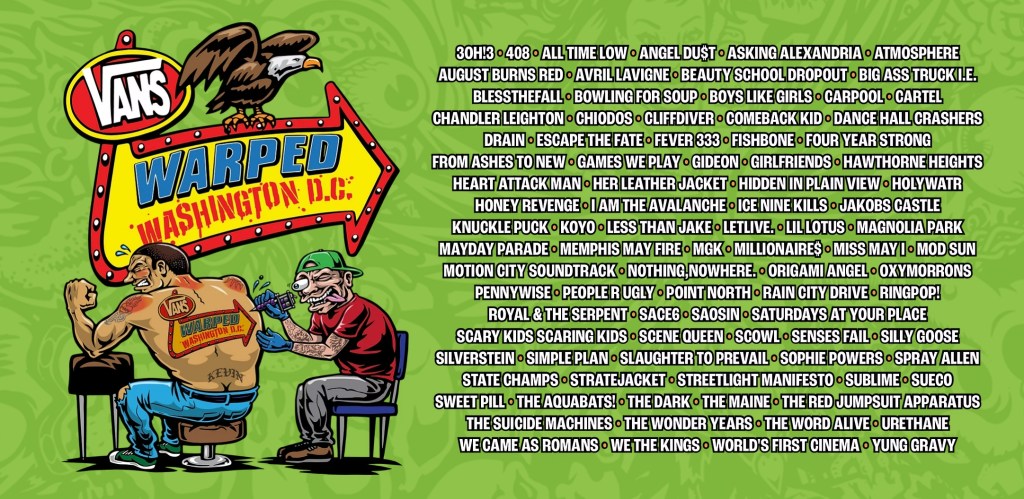
With over 100 acts tearing up stages across three cities, the anniversary run feels less like a reunion and more like a reawakening.
No Apologies intends to cover more than just who plays—we’re capturing it all: the crowd, the chaos, the age range, and what it really looks like to rebel in a fully digital world. Whether you’re reliving your MySpace days or discovering your first mosh pit, Warped Tour having a place in 2025 proves one thing: the kids—and the punks—are still very much alright.
 No Apologies
Leave a comment