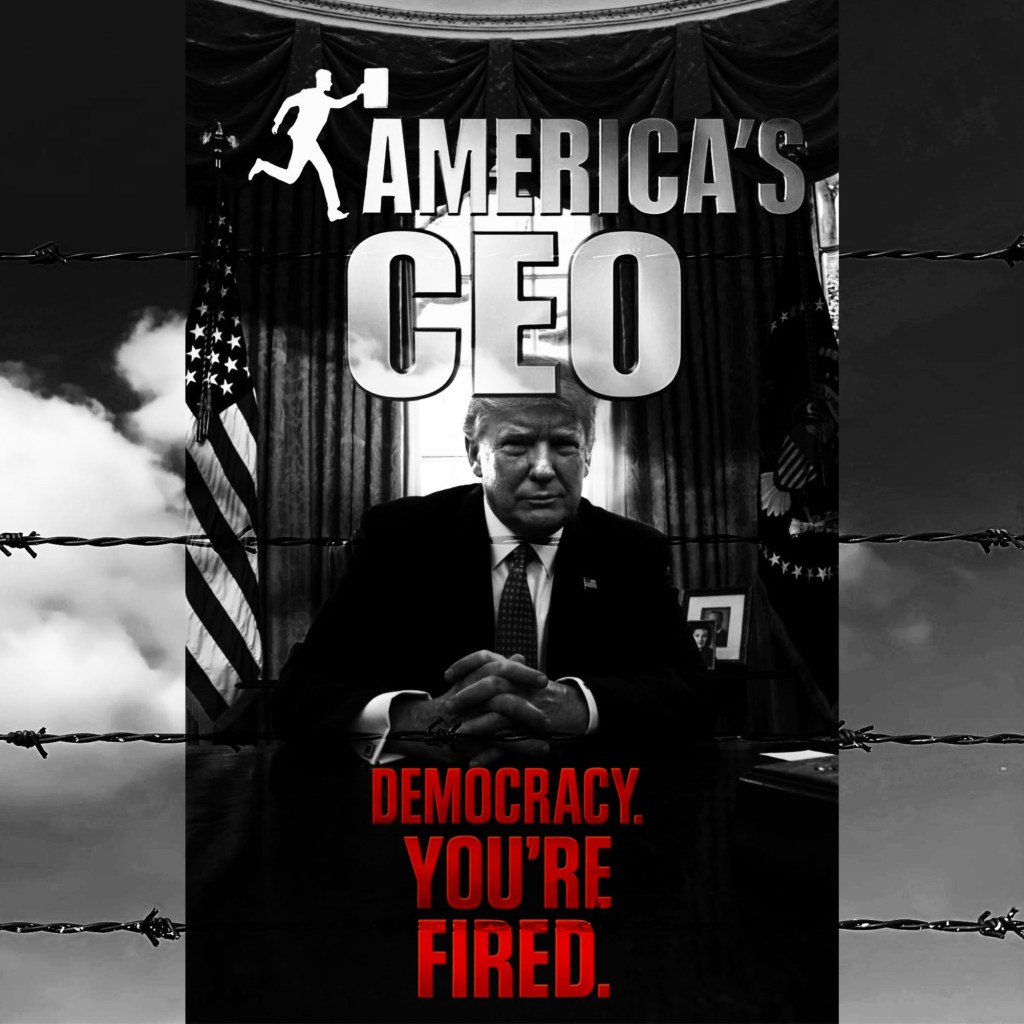
Trump’s second term plays like a dystopian reality show—disaster funds buy cages, famine becomes policy, and justice rots behind sealed files.
Six months into Donald Trump’s second presidency, America feels less like a democracy and more like a dystopian reality show: the prize is survival, the stage is aflame, and the same political arsonists keep selling tickets. Every headline feels like a plot twist in a season that won’t end—a country where brutality is policy, grief is televised, and truth is just another casualty.

Cybertruck Bombs and Helicopters Fall
The first morning of 2025 set the tone for the year: a Tesla Cybertruck idled outside Trump’s Las Vegas hotel, packed with fireworks and fuel. Inside sat Matthew Alan Livelsberger, an active-duty Green Beret on leave, who shot himself seconds before the truck exploded. Seven people were injured. His manifesto—part whistleblower plea, part geopolitical horror story—is still being picked apart while officials insist they’re “investigating the motive”.
Four weeks later, a U.S. Army Black Hawk collided with an American Airlines regional jet over the Potomac, just short of Reagan National Airport—sixty-seven lives lost in seconds, the deadliest U.S. air disaster in over 20 years. The news cycle barely blinked.
By March, Mardi Gras celebrations in Louisiana were shattered by gunfire. Days later, Luigi Mangione assassinated the CEO of UnitedHealthcare in Midtown Manhattan. Illegal? Absolutely. But for millions rationing insulin and denied surgery by an algorithm, it didn’t feel senseless. Across comment sections and dinner tables, a forbidden whisper spread: He wasn’t wrong.
Three months into Season 2 of America’s villain era, death felt like background noise—a country scrolling past its own unraveling.
Project 2025 in Motion
On July 4, while Kerr County families clung to rooftops and trees in historic floods, emergency officials were asleep, out sick, or missing entirely. The storm swept away homes, children’s camps, and RVs, killing at least 136 people—including 37 kids—while state leaders scrambled hours too late to send out warnings. Mexican firefighters drove in from across the border to recover bodies that Texas officials and FEMA failed to reach. Grieving parents testified days later that the only thing identifying their drowned children was a charm bracelet.
FEMA dollars that should have paid for flood sirens, evacuation routes, and rescue boats weren’t there when they were needed. DHS quietly refused to release federal rescue teams, citing “budget oversight”, even as detention centers overflowed at 140% capacity without a whisper of scrutiny.
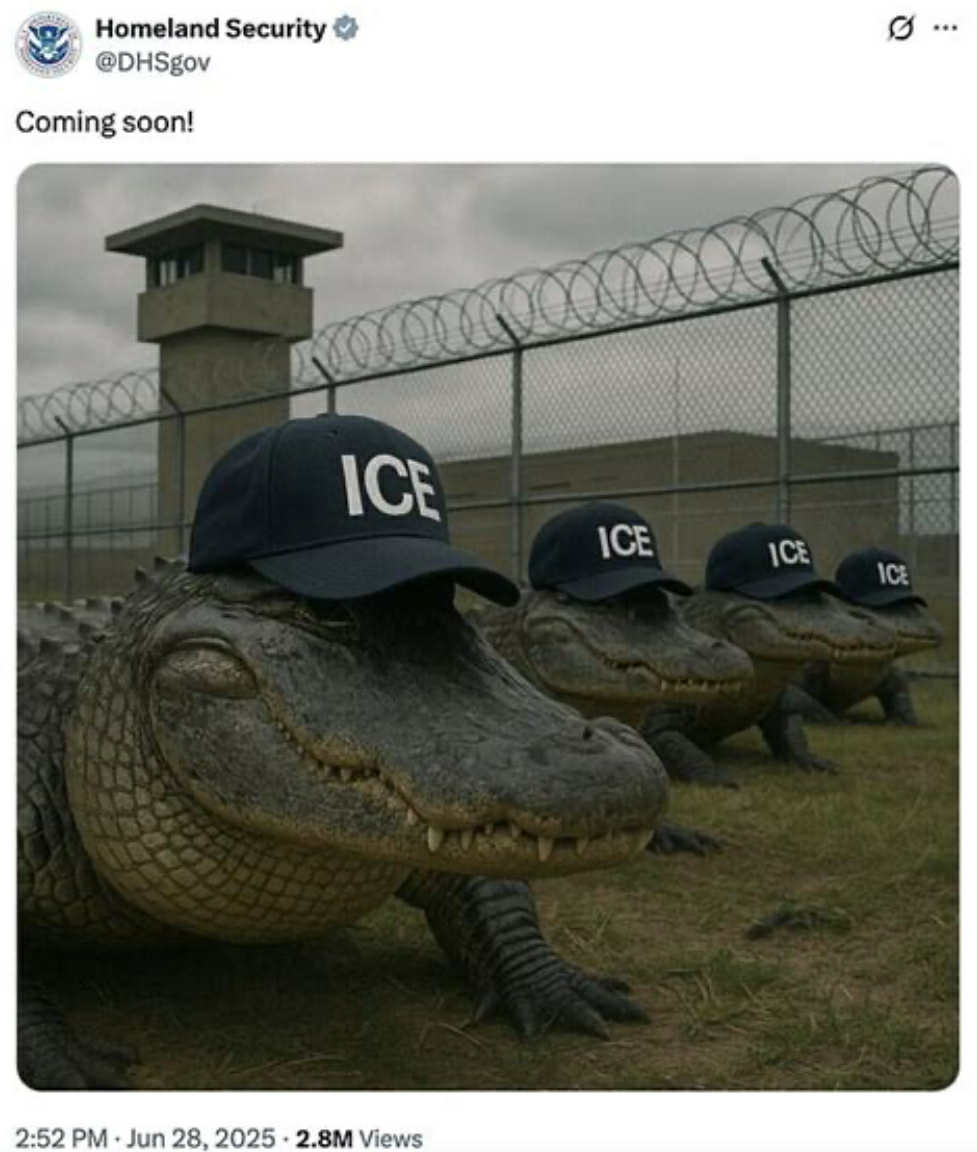
But there was no budget hesitation for Alligator Alcatraz —a $450 million swamp prison slapped together on once enviornmentally protected land in the Flordia Everglades. The money fed into cages packed 32 bodies deep, toilet water for brushing teeth, held without cause, and a merch drop that turned migrant suffering into a political fundraiser. Florida Republicans sold cartoon-gator hats and “ICE with a bite” T-shirts like cruelty was a summer tour stop. House Republicans piled on with shirts joking about immigrants being mauled by alligators.
This is what American power buys now: barbed wire before lifeboats, prisons before warnings, cruelty on demand while survival is left to luck.
The Heat Rises, The Disasters Multiply
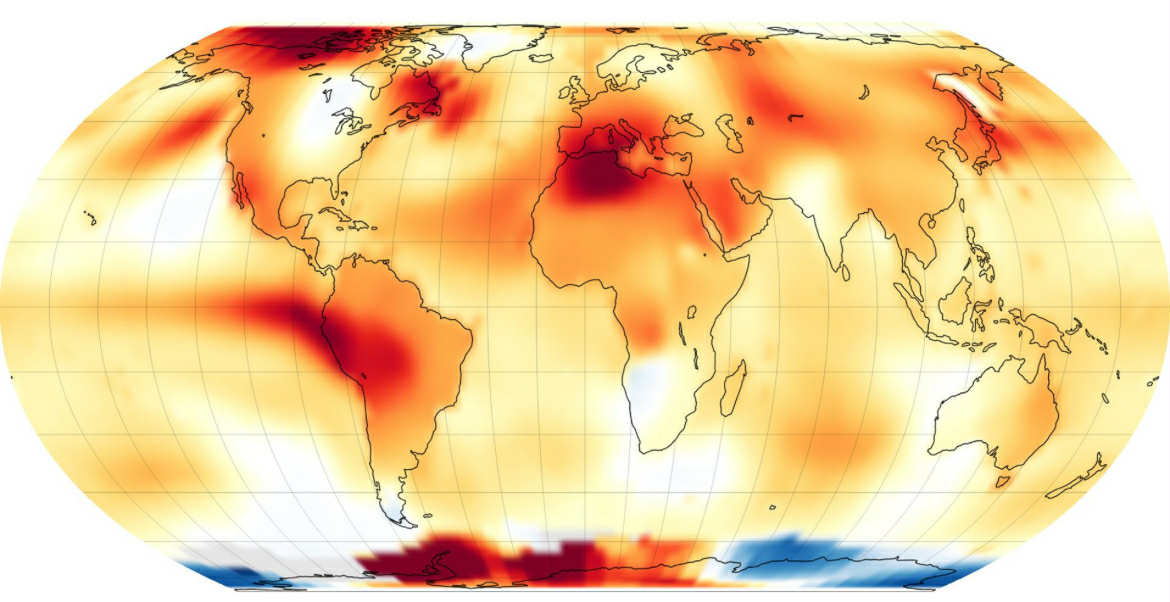
The Kerr County floods weren’t a freak accident—they were a preview. Fueled by remnants of Tropical Storm Barry, the July 4 deluge dumped 254 millimeters of rain in just three hours, flooding valleys that turned into instant rivers and killing 136 people. Scientists say these so-called “1,000-year floods” aren’t rare anymore—they’re becoming annual headlines in a world that’s heating fast.
2024 was already the hottest year ever recorded, with global temperatures soaring 1.45–1.6 °C above preindustrial levels, pushing Earth halfway toward a Pliocene climate. Experts warn that a decades-long loss of reflective cloud cover is accelerating warming faster than carbon levels alone would predict (The Guardian).
“We are now living in a very different climate than our parents or grandparents did,” said Samantha Burgess of Copernicus. And yet Trump dismantles FEMA, kneecaps NOAA, and guts the very agencies meant to warn, protect, and prepare.
These floods are only the start. With every cut to science and emergency response, the next disaster will hit harder, deadlier—and this government will still be building cages faster than rescue boats.
Starvation as Strategy
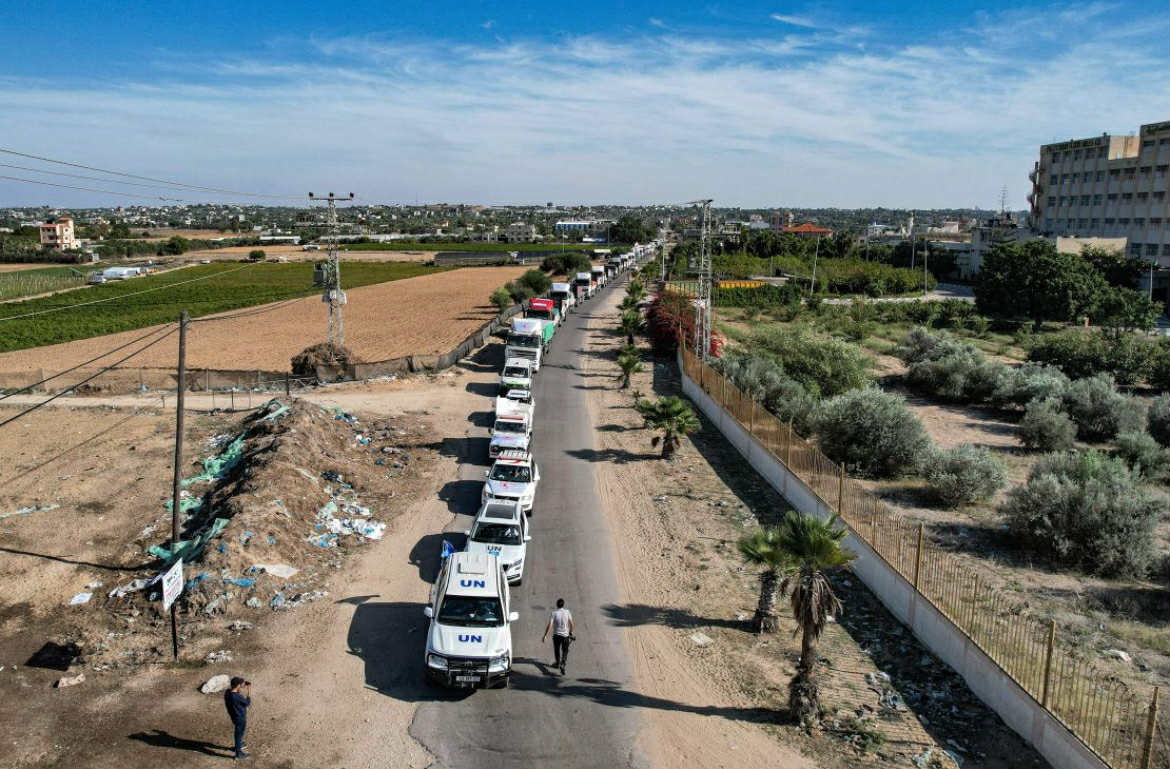
Half a world away, U.S. taxpayer dollars are fueling famine as a tactic. Since May, over 1,000 Palestinians —including hundreds of children—have died trying to reach aid in Gaza, many under Israeli sniper fire near U.S.-funded aid sites (CBC News). Witnesses describe crowds sprinting for flour sacks as bullets tear through the queue.
Meanwhile, Trump publicly floated the idea of U.S. “ownership” of Gaza, calling it ripe for luxury resorts once Palestinians are removed (The New Arab). Prime Minister Netanyahu then nominated Trump for a Nobel Peace Prize—a prize Trump has long lusted after, complaining that Obama won one “for doing nothing.”
Historically, the Nobel Peace Prize honored peacebuilders, not individuals complicit in displacement and starvation. Yet here, political theater consumes truth while children die—starvation dressed as statecraft.
Epstein Files: Sealed Justice
From the first Palm Beach police reports in 2005 to last week’s failed push to unseal grand jury transcripts, the Epstein case is a 20-year study in delay and denial. Survivors name powerful men. Records suggest more names the public has never seen. Yet Trump’s DOJ says there’s no incriminating list, just as Trump himself waves off the entire saga as “boring.”
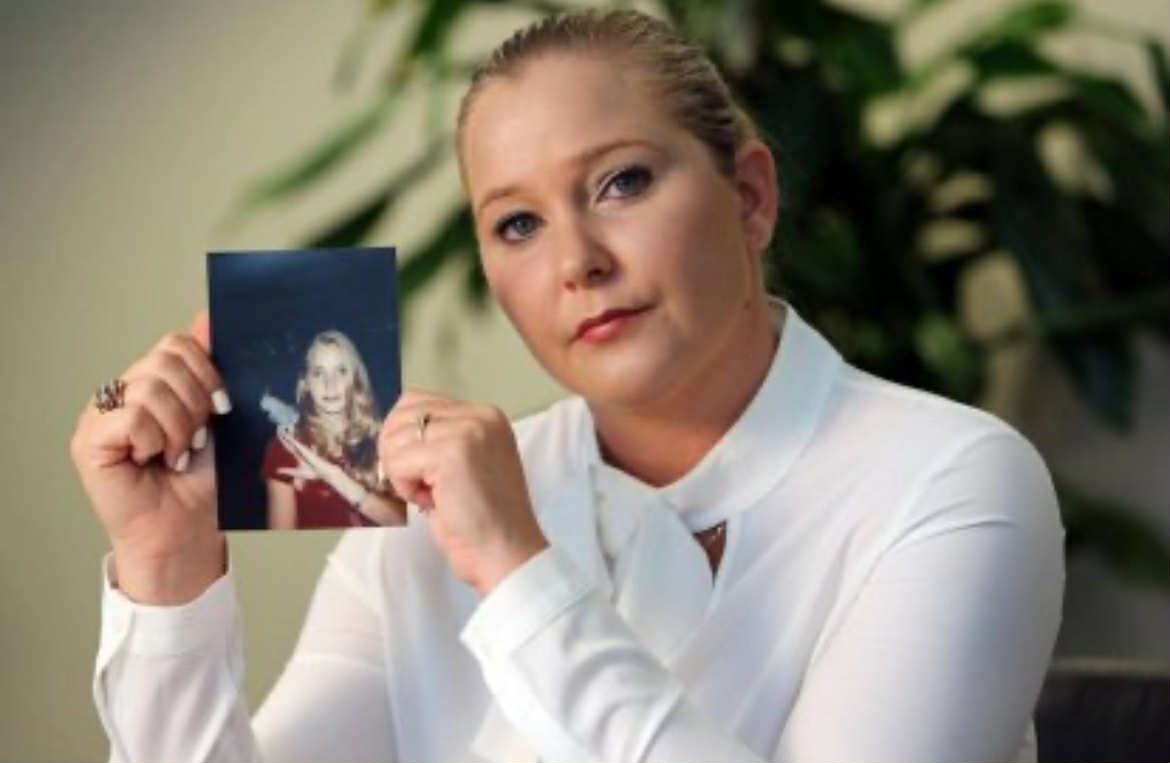
The latest chapter—Ghislaine Maxwell quietly transferred to a cushier Texas prison camp, meeting twice with the Deputy U.S. Attorney General, reportedly seeking a Trump pardon, and moved without notice to victims—only underscores the point. Even behind bars, the machinery of privilege keeps grinding, smoothing the path for the well‑connected while survivors watch the system fail them in real time.
But the case isn’t boring—it’s a blueprint for how power protects itself. It shows precisely how far wealth and influence can bend the law, how quickly predators become “pals,” and how justice can be postponed into oblivion while victims fade from the headlines.
Final Dispatch
So what now?
This isn’t just about Gaza. Or immigration. Or Trump. It’s about the avalanche of state-sanctioned cruelty reshaping reality itself—the full-on merchandising of fascism. The way violence and neglect are packaged as jokes, merch drops, and patriotic “efficiency reforms,” while real lives are snuffed out, sold off to the highest bidder, or quietly bartered for political favors—like Ghislaine Maxwell’s cozy transfer and hush-hush meetings with power brokers, a reminder that even justice can be auctioned off if you know the right hands to shake.
But you’re not numb. You’re here. Still feeling. Still hungry for justice. That’s your power.
So, talk to people. Algorithms can’t censor a dinner table conversation. Call it what it is: genocide, fascism, state terror. Donate to legal defense funds. Subscribe to journalists who won’t shut up. And when you’re tired, rest—but don’t turn away.
We can still ask ourselves the only question that matters: Is this what we want America to be—or can we claw our way back to shared morals, shared humanity before it’s too late?

 No Apologies
Leave a comment