My mom worked in a government office, my dad freelanced as a consultant. They worked hard, but they also knew when to stop. Their hustle bought us a modest home, healthy meals, and family road trips. What I remember most is the downtime: my mom’s sunrise tea, my parents chatting in the kitchen, whole Sundays cooking together.
They hustled, and they were happy.
That balance feels almost alien now, in an era where hustle has morphed into a hashtag, a lifestyle brand, and ultimately nothing more than burnout chic.
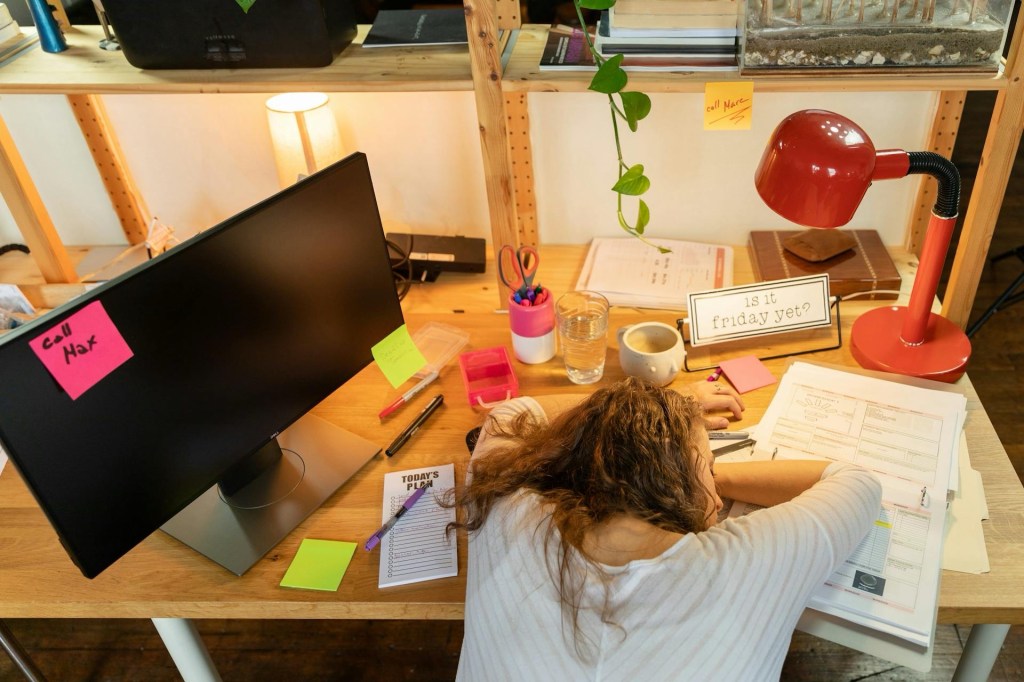
Credit: Pexel
Somewhere along the way, hustle became culture. Not just something we do, but something we do with purpose. It’s baked into “rise and grind” memes, corporate LinkedIn humblebrags, and TikTok trends where burnout masquerades as ambition.
Unlike my parents, my generation has turned rest into the enemy. If I nap, I feel guilty. If I log off early, I feel anxious. Even leisure gets scheduled, tracked, and optimized. Stress is often glorified as if it’s a sign of worth.
But for what? More likes? A fancier job title? A side hustle on top of the main hustle?
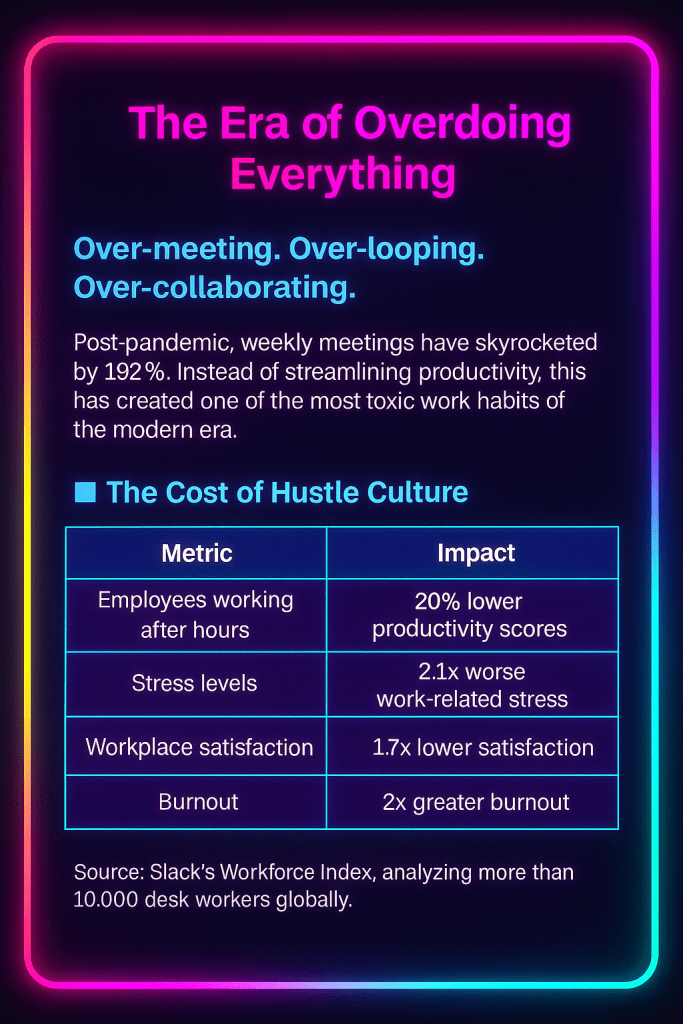
The irony is that even the people “ahead” of us don’t look happy. It’s a domino effect: comparison fuels competition, competition fuels burnout, and nobody wins.
We all know the cycle is toxic, yet we continue to play the game. Maybe it’s survival under late capitalism, maybe it’s fear of being left behind, or maybe it’s just a habit.
The uncomfortable truth is this: stopping is power. Joy is power. Saying “enough” is power.
Because if hustle culture thrives on our exhaustion, then the loudest protest is to rest anyway.
 No Apologies
Leave a comment