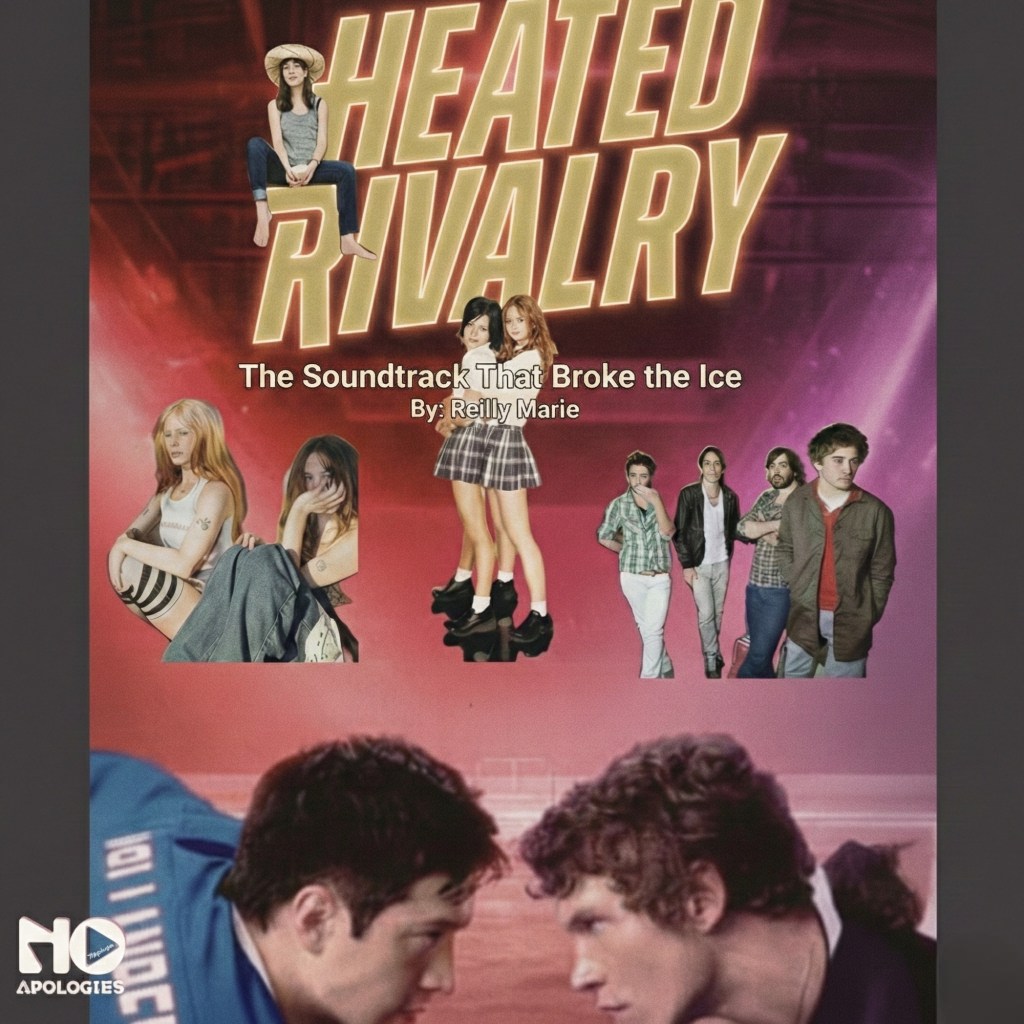
By: Reilly Marie
The stakes are high, the tension is higher, and the cultural footprint is undeniable. HBO’s Heated Rivalry has rapidly evolved from a sleeper hit into the definitive drama of the season—the kind of series we didn’t know we needed but now can’t stop dissecting.
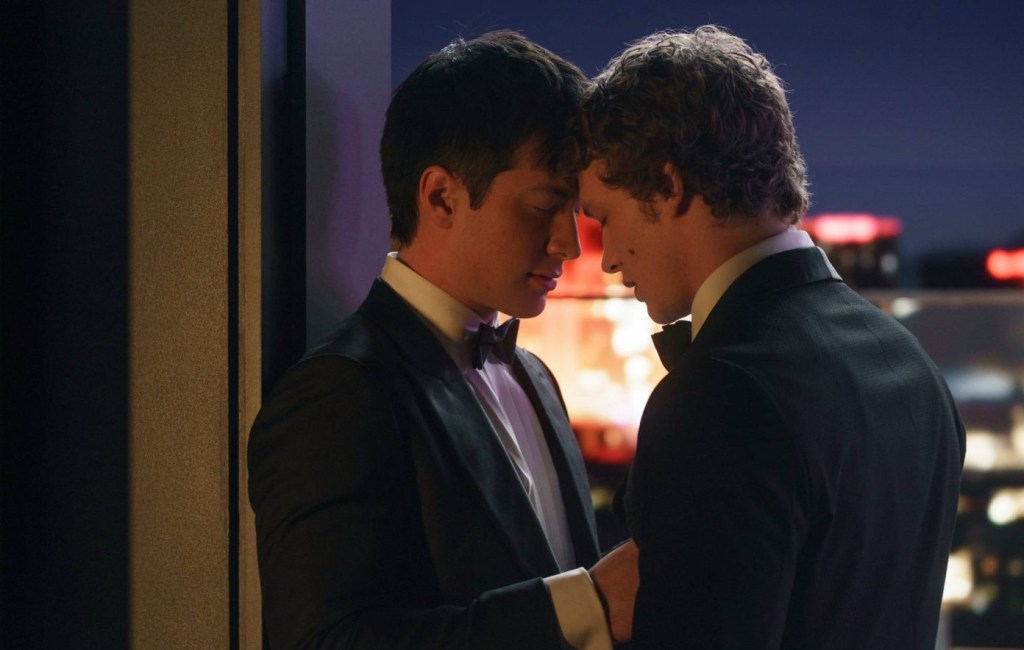
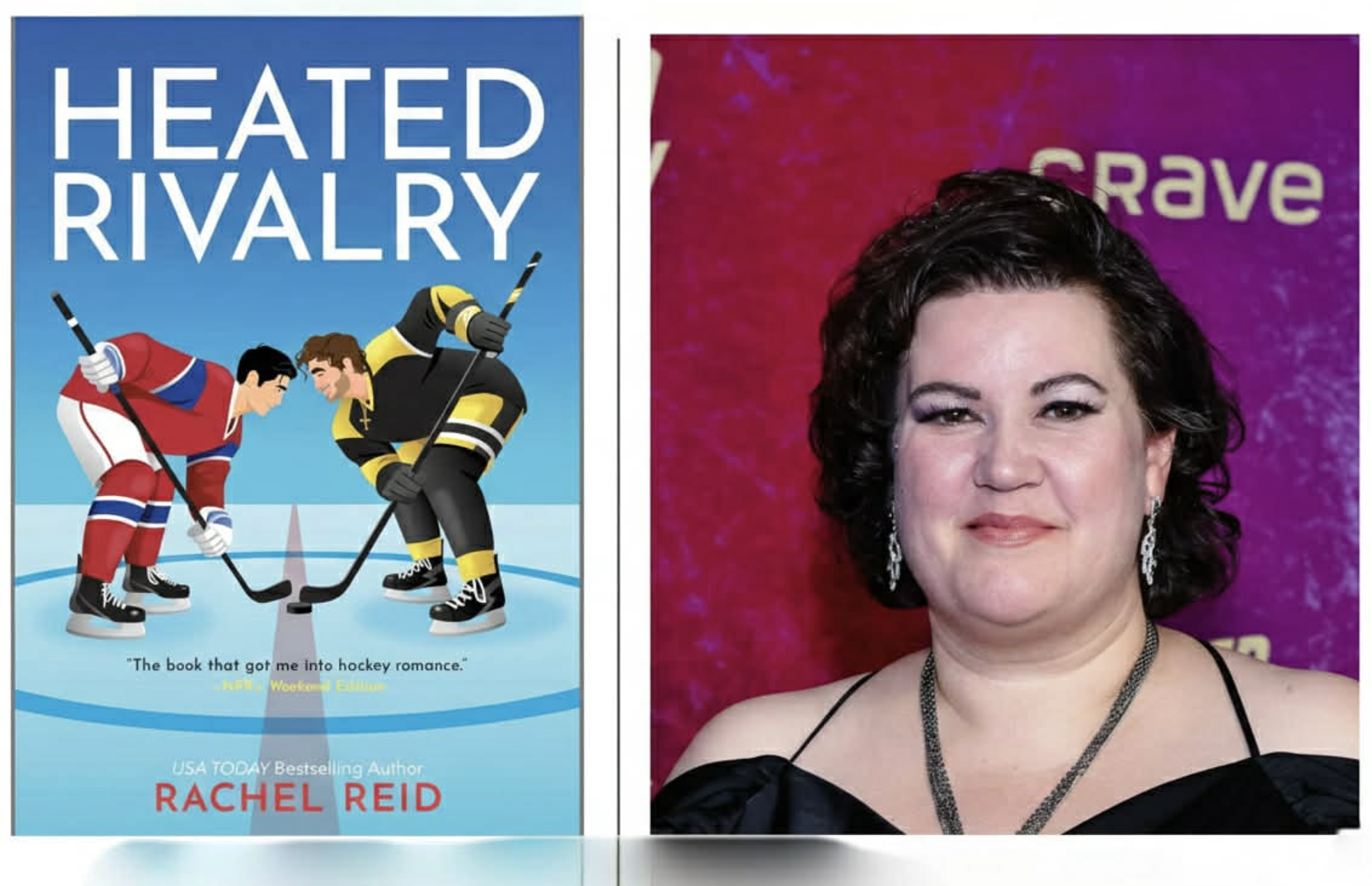
Chronicling the story of two professional hockey stars, Shane Hollander (Hudson Williams) and Ilya Rozanov (Connor Storrie), this six-part series is based on the 2019 romance novel by Canadian author Rachel Reid, which explores both their fierce competition on the ice and their complicated feelings off it.
The show has sparked strong reactions because it shows intimacy in a place where we don’t usually see it. In the tough world of professional sports, where aggression is the norm, Heated Rivalry allows both softness and strength to coexist. Admiration is hidden, while infatuation is open. In this world, rivalry and tenderness don’t just meet—they clash.
This isn’t just a hit; it’s proof of a real hunger for representation. By trading shock value for emotional honesty, the series strikes a chord with women and queer audiences. It remains strikingly ordinary despite its massive stage.
The series, both painful and beautiful, respects the complexities of queer love without lowering the stakes. This authenticity comes not only from intense performance but also from a carefully curated sonic landscape. Here, desire feels real rather than performative.
Director Jacob Tierney uses artists like Peter Peter, Wet Leg, Feist, Harrison, and Cailin Russo to ground each episode. While the series is visual, its soul lives in these choices. The music does more than set a mood. It translates the characters’ unspoken tension into something the audience can feel.
The Heated Rivalry Effect
Most notably, the show resurrected Wolf Parade’s 2005 indie anthem “I’ll Believe in Anything” to score the most memorable moment of the season. As New York Islanders player Scott Hunter comes out in public by kissing his partner on the ice after winning the Stanley Cup, the song’s plea for hope against the odds mirrors the high-stakes risk of the moment.
The camera captures the celebration alongside the shocked faces of Shane and Ilya as they process what they are seeing. Every emotion lands. Racing hearts. Tight throats. Knotted nerves. Musically, the track reflects this beautiful chaos. It opens with “at war with itself” keyboards that give way to distorted notes and urgent drums. Krug’s vocals bring a raw, jagged edge to the screen, feeling both sullen and empowering.
The scene concludes with a shift from the public spectacle to a private realization. After the broadcast, Ilya calls Shane and says something simple and urgent: “I’m coming to the cottage.” It is both subtle and powerful. The impact of this storytelling is undeniable. After the episode aired, global streams of the 20-year-old song skyrocketed by over 2,600 percent. This former cult classic is now a definitive anthem for a new generation.
Cultural Consequence
The series has already changed how people talk about masculinity and sexuality in sports culture, and this new visibility is important. It gives younger athletes a chance to see themselves without fear.
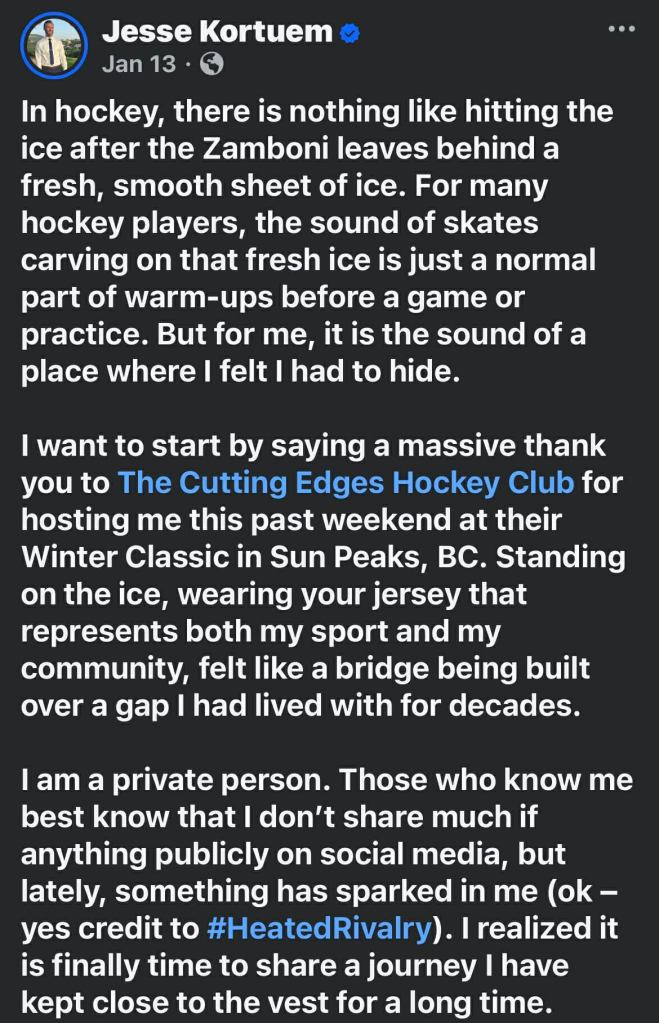
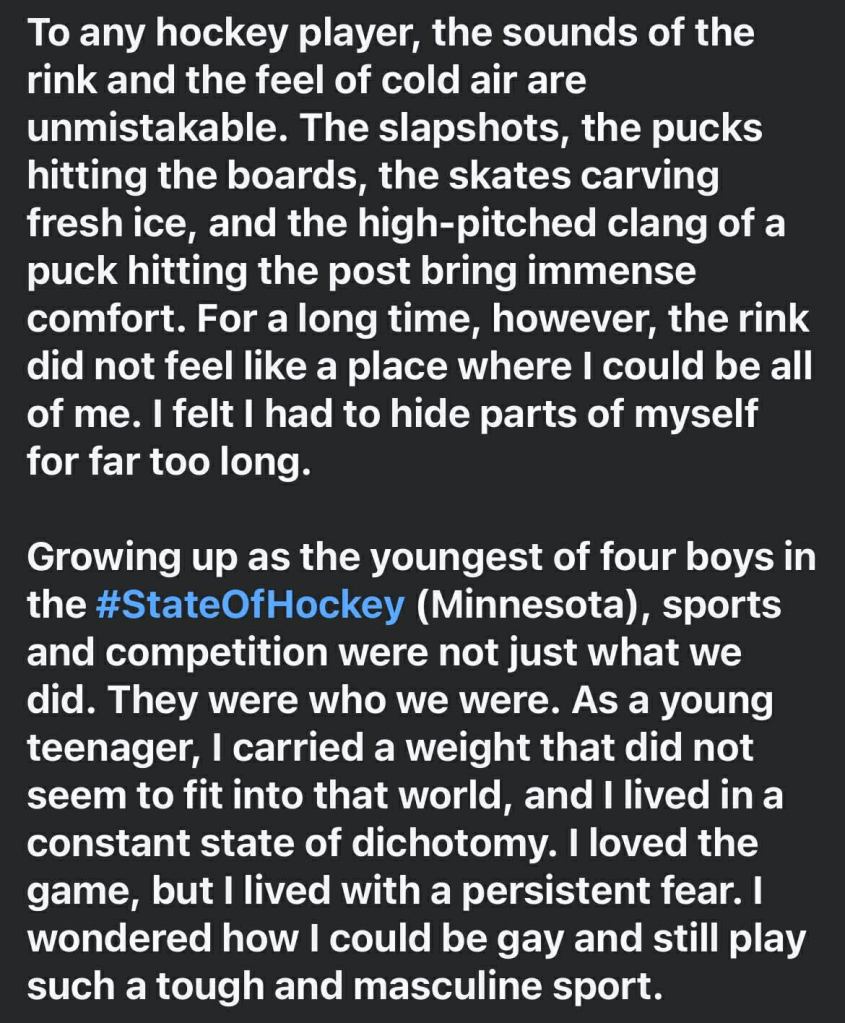
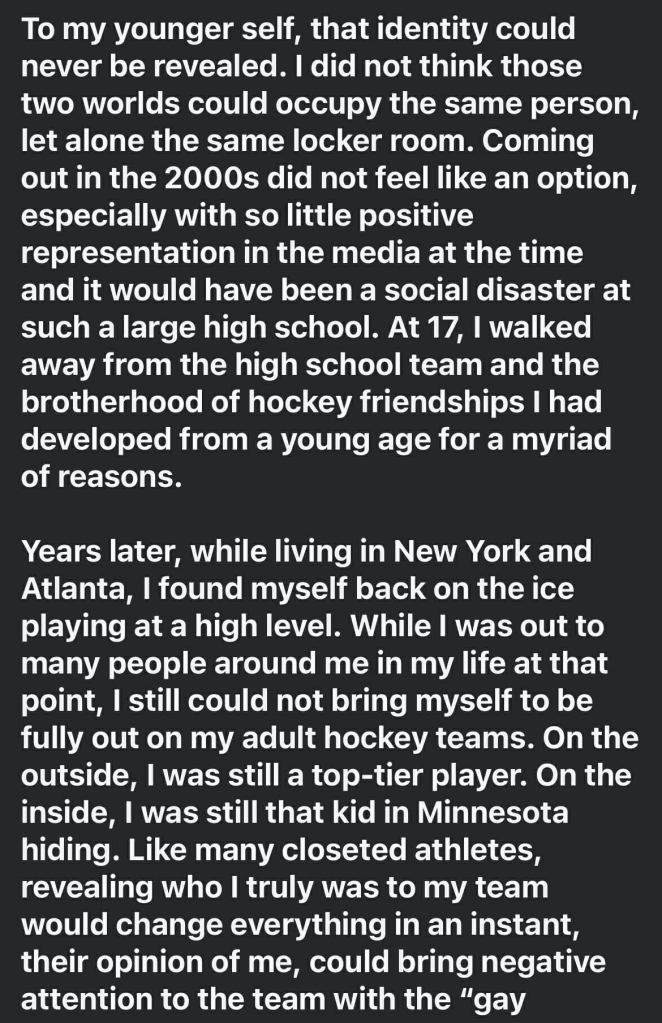
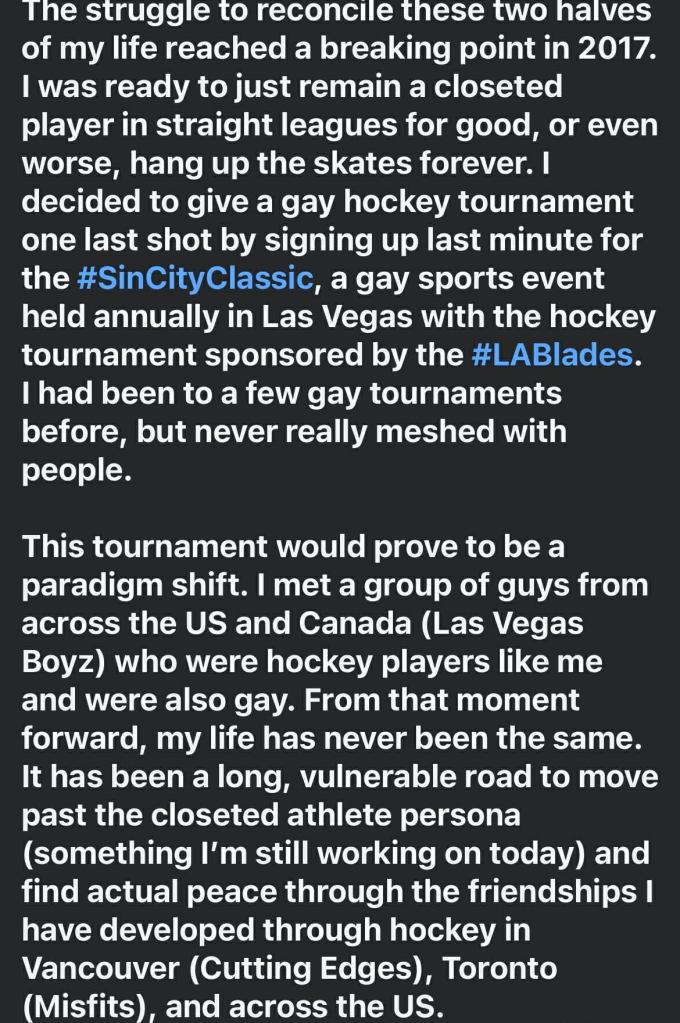
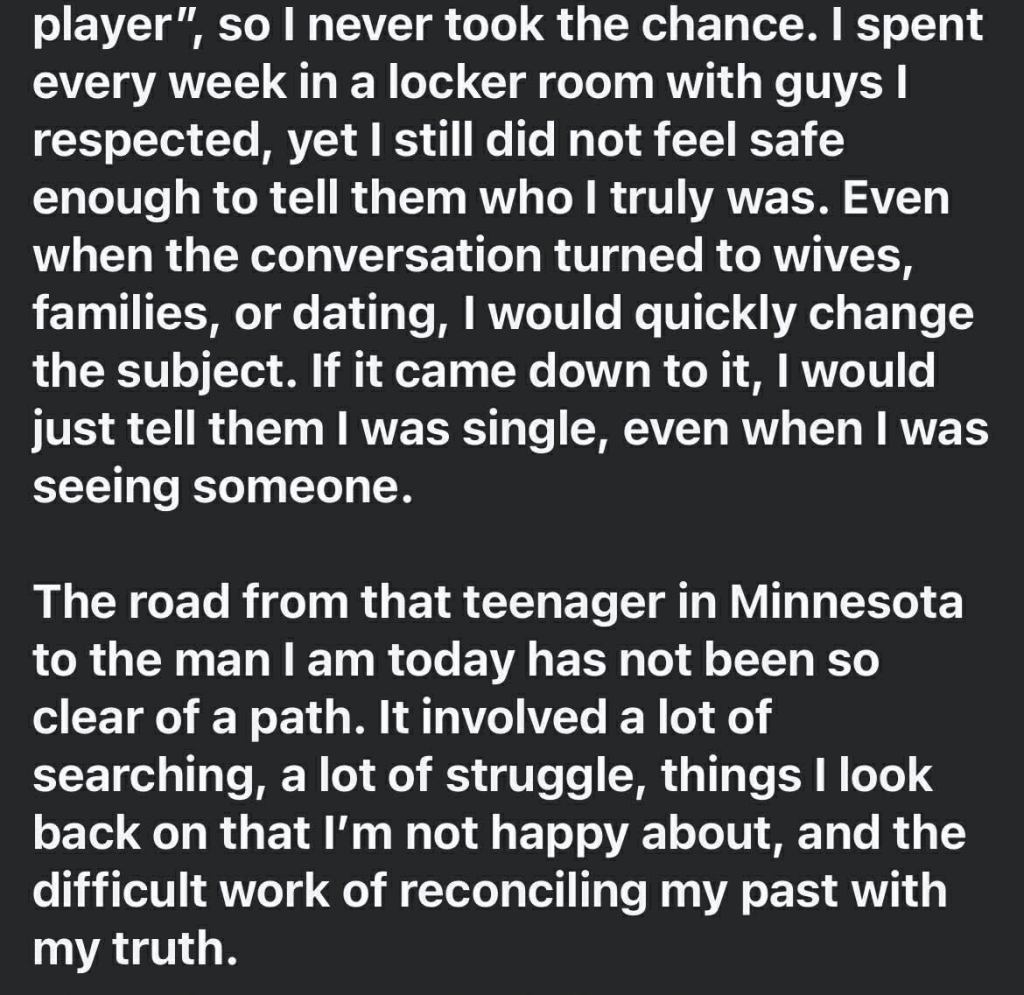
Since the show premiered, several athletes have come out publicly. Some have shared that the show’s honest emotions helped them face their own fears about fitting in within traditionally masculine sports, like Minnesota hockey player Jesse Kortuem, who cited the show in a recent Facebook post for helping him find the courage to do so.
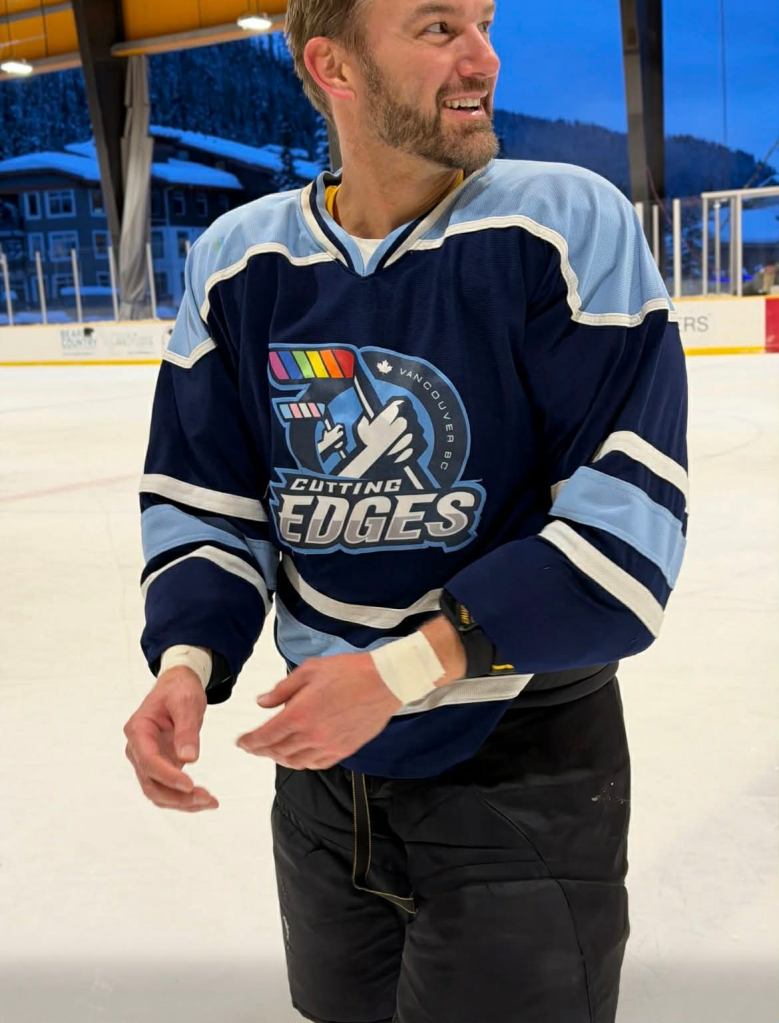
By focusing on relationships that depart from strict heteronormative expectations, Heated Rivalry does more than just add representation. It changes the story completely.
In a media domain still saturated with performative toughness and broadcast bravado, its popularity signals a shift. Audiences are responding to tenderness, choice, and emotional truth. Queer joy here isn’t incidental. It is the point.
Tracks By Episode Guide
Episode One
Feist — “Sealion”
Dumas — “Une Journee Parfaite”
Dan Kanvis — “No Feedback”
Episode Two
Wet Leg — “Mangetout”
Peter Peter — “It’s You”
Philippe B — “Chelsea Mon Amour”
Koett — “Lost Time”
Sergei Rachmaninoff — “Piano Concerto No. 2 in C Minor, Op. 18: I Moderato”
Episode Three
Wolf Parade — “I’ll Believe in Anything”
Alvin Stardust — “Never In A Million Years”
Rose Marie Cameron — “Tropicana”
Margaret Lewis — “Lovers Land”
Jared Mees & The Grown Children — “Hungry Like A Tiger”
Inside Cuts — “Dream Of You”
Night Lunch — “Your Body”
Nate Rose — “Half On A Co”
HNTR ft. Roshin — “No Brake$”
Jeff Cormack — “Stay Up Late”
Alfa Rococo — “Lumiere”
Alfa Rococo — “Luz”
Night Lunch — “Wall Of Love”
Baxter Dury — “Lips”
Episode Four
Peter Peter — “Rivalry”
Feist — “My Moon My Man”
The Souljazz Orchestra — “Serenity”
Richy Jay — “De La Tete Aux Pieds”
Money Zoe — “Big Haiti”
The Bongo Hop — “Grenn Pwonmennen”
Lou Phelps — “Tu T’en Souviens”
Richy Jay — “En Dedans”
Satine — “C’est Toi”
t.A.T.u. — “All The Things She Said”
Harrison — “All The Things She Said”
Episode Five
Malko — “Aaliyah”
Unessential Oils — “Solutions To My Gloom”
Jessica Charlie — “Prendre Soin Du Beau”
Keir — “Boys Will Be Girls”
Deadly Snakes — “Oh My Bride”
Mark Bernes — “Zhuravli”
Silvia Capova — “Piano Sonata No. 21 in C Minor, Op. 53: Waldstein I Allegro Con Brio”
Absolute Treat — “Bonnie”
Wolf Parade — “I’ll Believe in Anything”
Episode Six
La Bronze — “L’anarchie Des Jours
Heureux” Ellisa Sun — “Unravel”
Cailin Russo — “Bad Things”
 No Apologies
Leave a comment