Trump’s Board of Peace Emerges as the Iran Conflict Escalates
By: Tricia Cherie
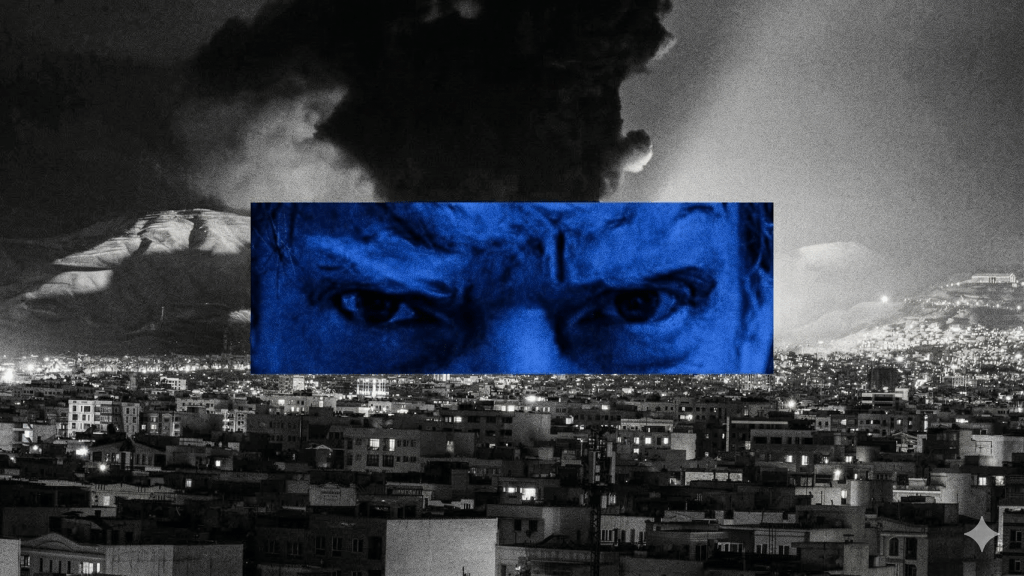
As U.S. warplanes, MQ-9 drones, and Tomahawk missiles strike targets across Iran, Washington is unveiling a new diplomatic initiative meant to shape the aftermath of the conflict.
The project, known as the Board of Peace, represents the Trump administration’s most ambitious attempt yet to build a new framework for regional stabilization.
The initiative debuted at the World Economic Forum in Davos, Switzerland in January 2026 and held its inaugural meeting in Washington on February 19. At that gathering, President Donald Trump issued Iran a ten-day ultimatum over its nuclear program, demanding an end to uranium enrichment.
Diplomatic talks with Iranian officials had continued in parallel. Indirect negotiations moved through Muscat on February 6 and later through Geneva between February 17 and February 26, with Omani mediators reporting what they described as substantial progress.
However, the fragile progress of diplomacy was short-lived, as events on the ground quickly overtook these efforts.
Operation Epic Fury began shortly afterward, launching one of the most intense U.S. bombing campaigns in the region in decades.
This series of developments resulted in a striking contradiction.
A new institution designed to coordinate reconstruction and diplomacy was taking shape at the very moment the United States was expanding a war that could reshape the Middle East.
A New Architecture of Diplomacy
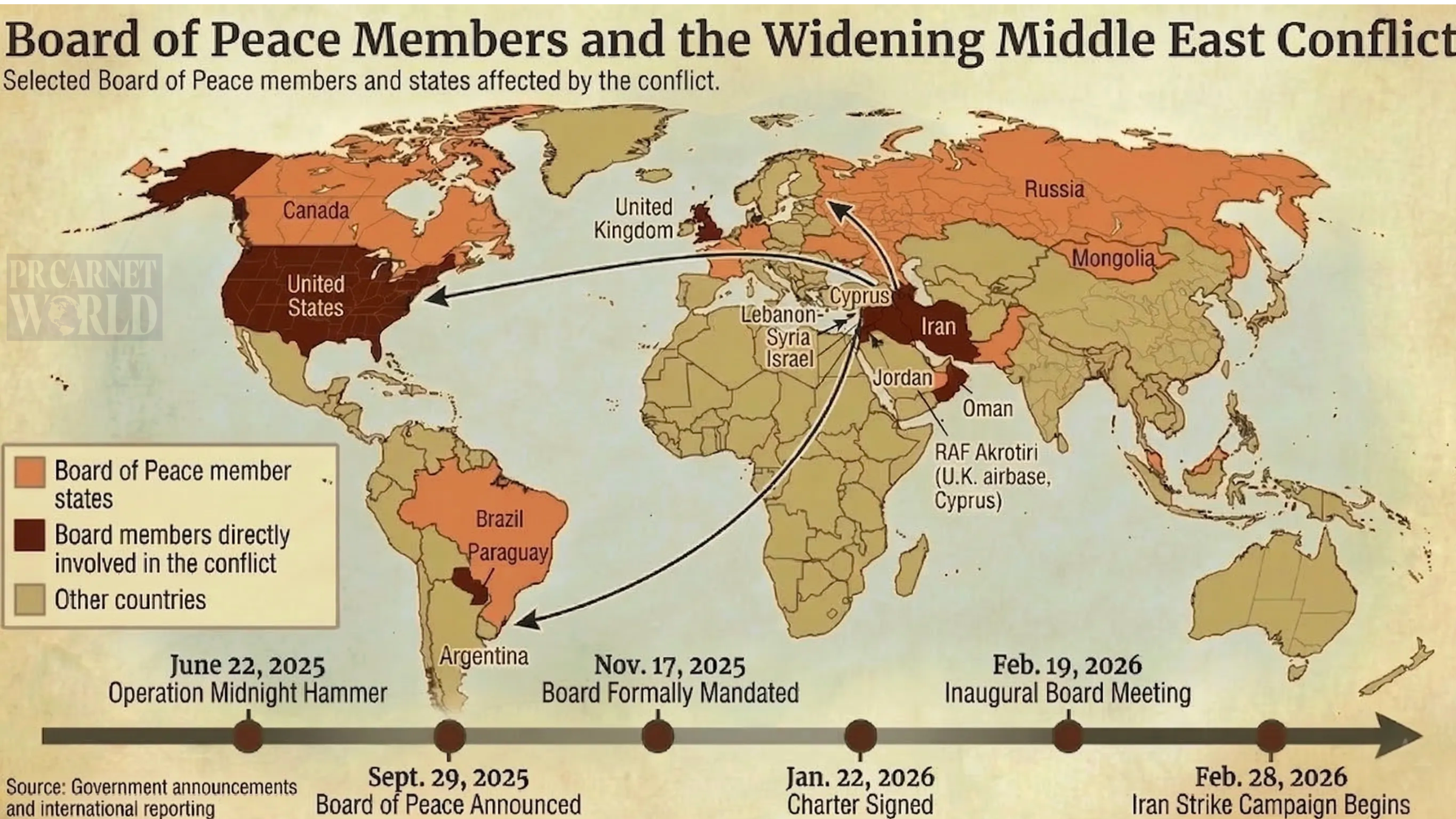
Against this backdrop, the Board of Peace is taking shape at an unusual moment, even as the region it hopes to stabilize slides deeper into war.
For decades, the machinery of international diplomacy has run through the United Nations. Major decisions typically pass through the U.N. Security Council, where the world’s most powerful countries debate before action is taken. The process lends legitimacy to global decisions, but it often moves slowly. Any of the Council’s five permanent members can halt a proposal with a veto.
Supporters of the Board of Peace argue that smaller coalitions can act faster when conflicts erupt. Reuters reports that the concept began as a proposal to coordinate reconstruction and stabilization in Gaza by pooling financial resources and diplomatic support from governments willing to participate while avoiding U.N. gridlock.
There is precedent for this approach. In 1999, NATO intervened in Kosovo after the Security Council became politically deadlocked. After the war, Kosovo was placed under U.N. administration through Security Council Resolution 1244.
Speed, however, comes with trade-offs. Coalitions that operate outside global institutions often lack broad international backing. Supporters argue that results matter more than procedure, pointing to past coalition interventions, such as the Kosovo intervention, as evidence that smaller alliances can act when global institutions stall.
The emergence of the Board of Peace raises a larger question. Can a small group of powerful countries rebuild war zones without the United Nations and still claim the moral authority global institutions were designed to provide?
Funding Power
Financial contributions are a key factor in determining both the Board of Peace’s internal structure and the influence of its membership.
Before the inaugural meeting, officials confirmed roughly $5 billion in funding pledges designated specifically for Gaza reconstruction but did not detail which nations made pledges or the allocation process.
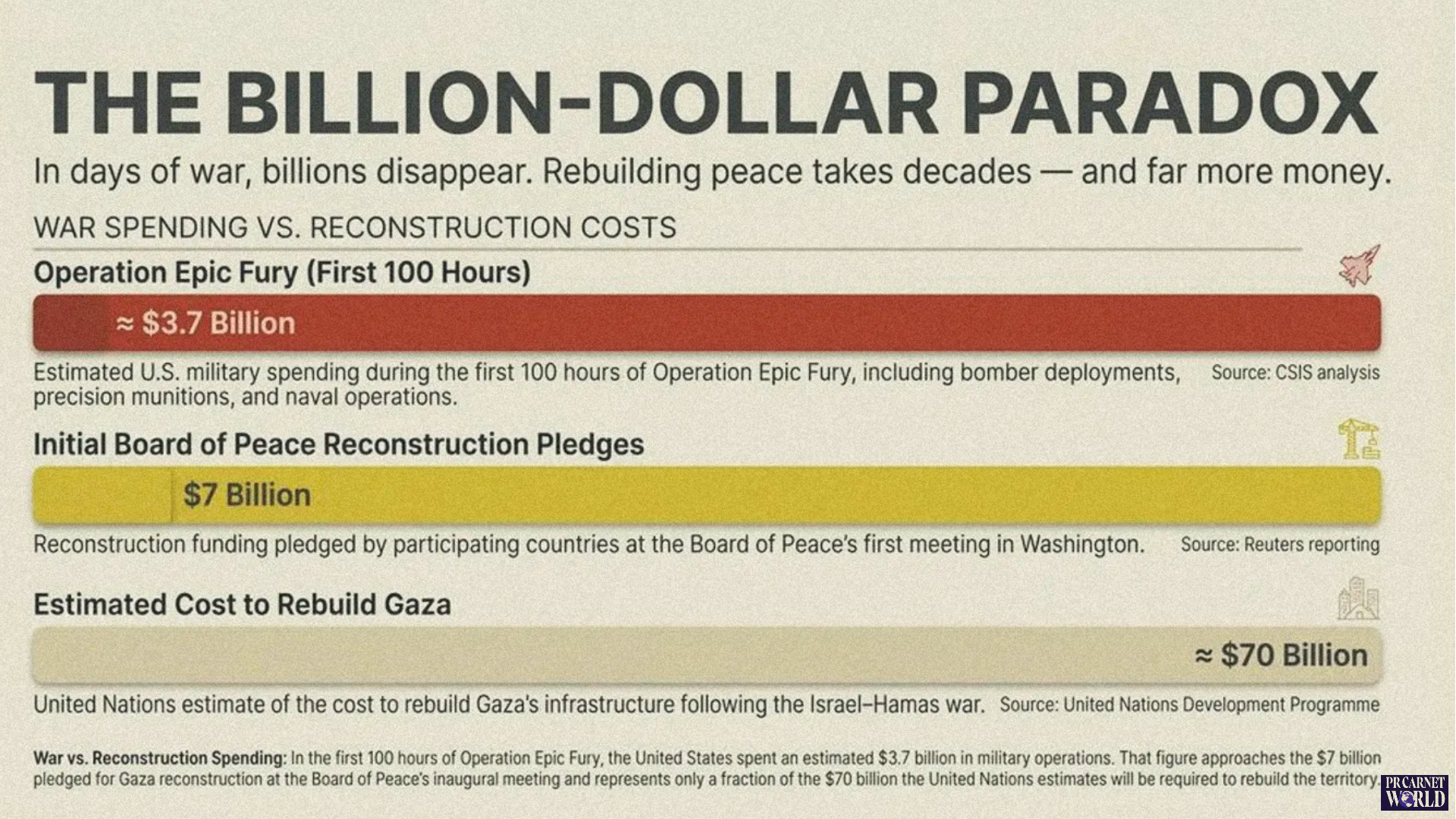
At the February 19 meeting, participating countries jointly pledged $7 billion for reconstruction, and the United States separately announced an additional $10 billion for longer-term stabilization projects. Details about how these funds would be administered or disbursed remain limited.
Reports indicate that the size of financial contributions may play a role in determining permanent membership on the Board of Peace, though exact criteria appear undeclared.
According to the Associated Press, citing U.S. officials, a $1 billion financial commitment may be required to obtain permanent membership in the Board of Peace, though there has been no public confirmation of a formal threshold.
Some diplomats and analysts question whether the structure concentrates influence among the countries most capable of financing reconstruction.
Nicholas Westcott, a former European Union diplomat and professor of international relations, offered a blunt assessment:
“This is a global Mar-a-Lago,” Westcott said.
“Everybody’s coming to his club for some crumbs from the great man’s table.”
Yet even as this diplomatic framework was taking shape, events in the region were accelerating toward a wider war.
Diplomacy Meets Escalation
The Board of Peace emerged from post–Israel–Hamas war discussions about how Gaza might eventually be stabilized.
At the same time, the region was already moving toward a larger confrontation.
In June 2025, negotiations over Iran’s nuclear program broke down. Israel responded with strikes on Iranian nuclear facilities, prompting missile and drone retaliation from Tehran.
By early March 2026, Washington launched Operation Epic Fury, expanding the confrontation into direct military conflict with Iran.
Within just ten days of the campaign’s launch, some of the war’s most intense airstrikes had already occurred.
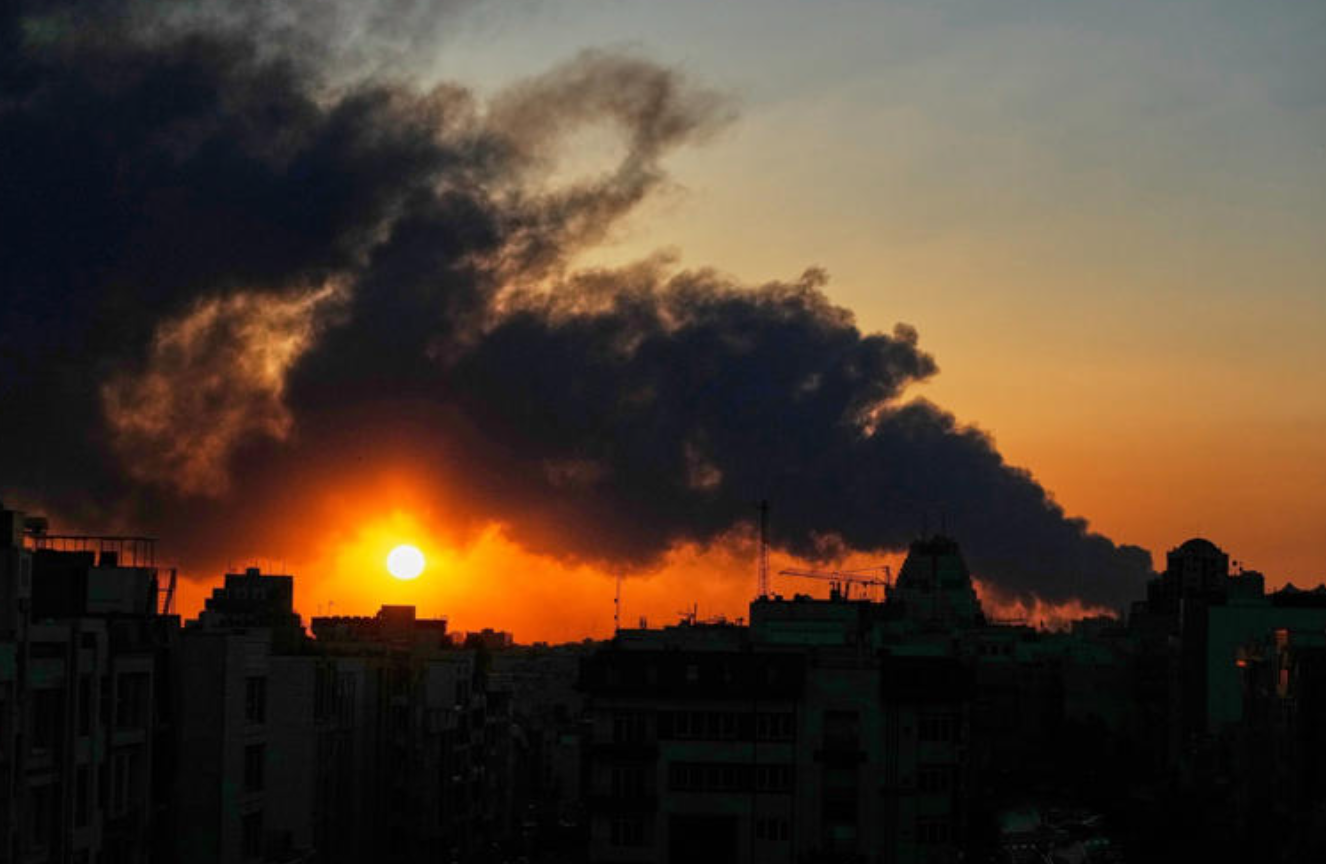
Credit: Vahid Salemi / Associated Press.
Aid organizations warn that escalating military activity is constricting key air, land, and sea supply routes used for humanitarian relief.
Nevertheless, even amid ongoing fighting, some peacebuilding networks continue to operate.
The Alliance for Middle East Peace continues coordinating dialogue programs throughout the crisis.
The Billion Dollar Burn Rate
Adding to the complexity, the contrast between reconstruction funding and the cost of war is striking.
Trump has also publicly praised Israeli Prime Minister Benjamin Netanyahu during the campaign.
In a telephone interview with The Times of Israel on March 9, Trump said:
“Bibi’s done a great job… We’ve destroyed a country that wanted to destroy Israel.”
According to a Center for Strategic and International Studies analysis, the United States spent approximately $3.7 billion in the first 100 hours of Operation Epic Fury.
Taken together, these facts highlight a recurring pattern in modern conflict: the machinery of war often moves faster than the systems designed to rebuild what it destroys.
The Human Cost of War
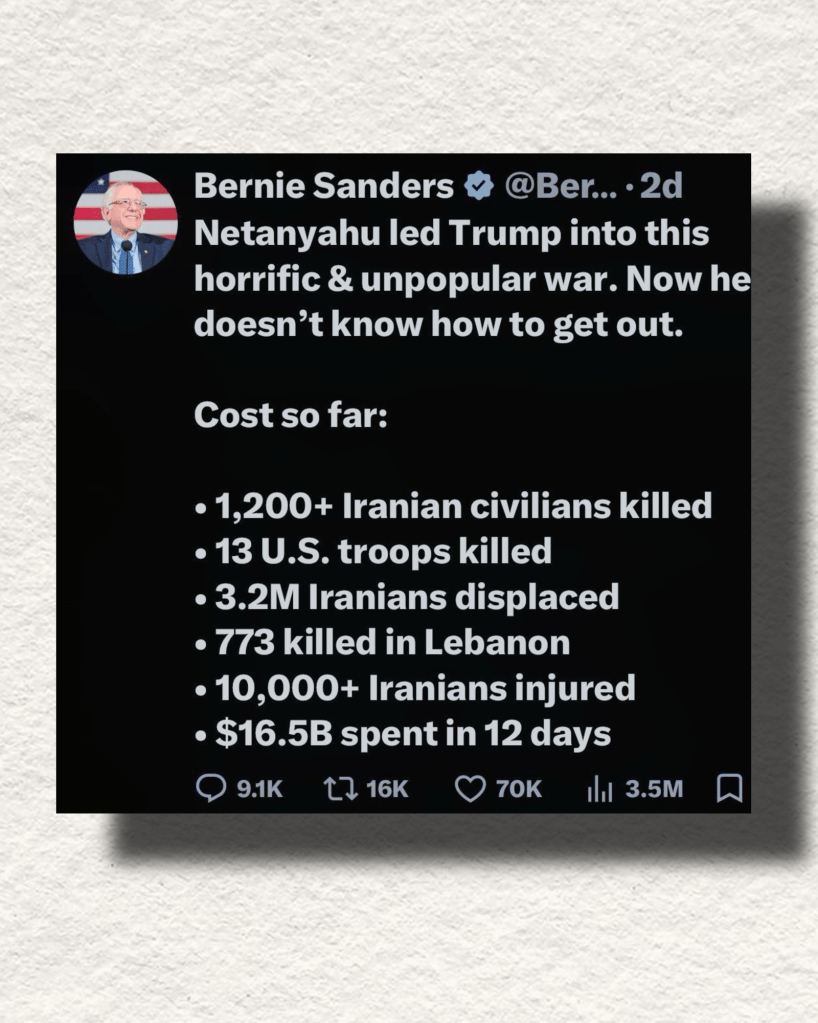
More than 1,200+ Iranians, 12 Israelis,and 13 U.S. troops have been killed since the conflict began.
*these are reported deaths as of March 14, 2026
Correspondingly, civilian losses inside Iran have been especially severe.
On February 28, a missile strike destroyed the Shajareh Tayyebeh girls’ elementary school in the southern city of Minab, killing more than 160 people.
Mourners gathered in Minab on March 3 for a mass funeral honoring the children killed in the strike.

With roughly 45,000 U.S. troops stationed across the region, the conflict increasingly resembles a widening regional war.
Power Politics Behind Peace
The parallels between Donald Trump and Israeli Prime Minister Benjamin Netanyahu are difficult to ignore. Both leaders have used moments of crisis to strengthen their political standing, framing themselves as indispensable wartime figures.
Netanyahu has relied on wars, states of emergency, and legal maneuvering to delay accountability for corruption charges and failures surrounding the October 7 attacks. Trump, for his part, has leaned on expansive presidential-immunity rulings and the politics of ongoing crisis to shield himself from the consequences of his legal troubles, including his 2024 felony convictions for falsifying business records.
In effect, conflict in both cases becomes politically useful as leaders invoke national security and necessity to stretch the boundaries of accountability and consolidate power.
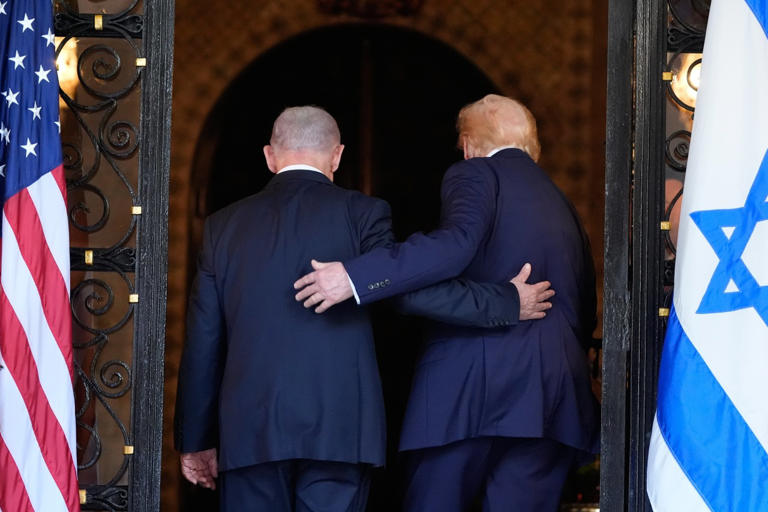
In several respects, the Board of Peace reflects a comparable logic. The initiative appears to parallel characteristics of an exclusive club of powerful governments. Reconstruction contracts, security partnerships, and control over major energy routes often influence alliances during and after conflicts.
Economist Barry Eichengreen has argued that global systems tend to be most stable when organized around a single dominant power. In this context, the Board of Peace appears to operate under a model in which diplomatic influence is closely tied to financial commitments.
If the Board of Peace evolves into a permanent, invitation-only structure, it may reflect a similar logic. In this scenario, peace may be brokered not through open institutions but by a narrow circle of leaders who use crises for political purposes.
As strikes now fall near Turkish cities under NATO’s shield, Turkey’s experience illustrates how smaller powers are incorporated into this emerging security-and-reconstruction order not as primary decision-makers, but as locations where external crises take place and reconstruction occurs.
The War Reaches NATO Territory
On March 9, NATO air defenses shot down a second Iranian ballistic missile that had entered Turkish airspace within a week, marking the clearest sign yet that Washington’s war with Iran is now spilling directly into NATO’s own perimeter.
Debris from the missile fell near the southern Turkish city of Gaziantep, narrowly missing populated areas. The Turkish Defense Ministry reported no casualties.
The incident carries broader implications because Turkey is a NATO member, and any attack on its territory falls under the alliance’s collective-defense framework. Western officials told The New York Times that an earlier Iranian missile may have been headed toward Incirlik Air Base, a key U.S.–NATO installation in southern Turkey that hosts American and allied forces and has long served as a forward hub for regional air operations.
The United States has already begun adjusting its diplomatic posture in response to the threat. The State Department ordered the mandatory departure of diplomats and their families from the U.S. consulate in Adana, roughly five miles from Incirlik Air Base, after missiles targeted the area. Washington also urged American citizens to leave southeastern Turkey and suspended consular services at the Adana mission.
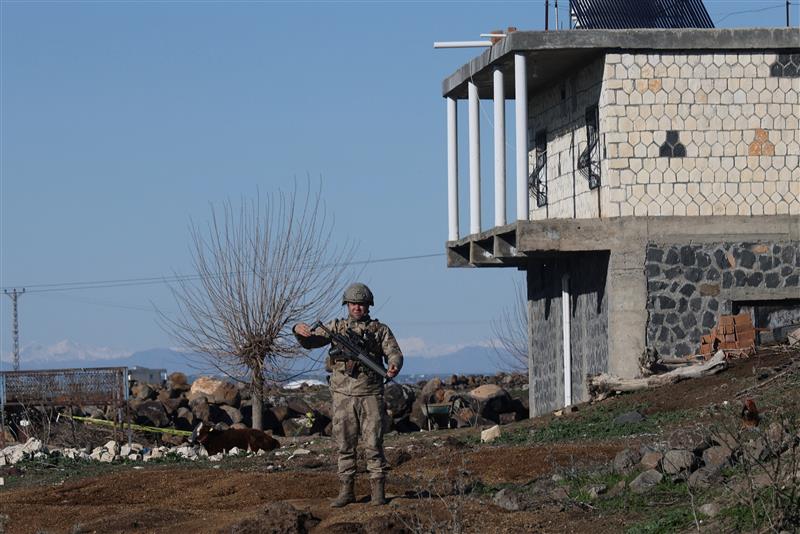
Turkish officials later confirmed that NATO air defenses intercepted a third ballistic missile entering Turkish airspace during the conflict, reinforcing fears that the war could spill directly into NATO territory.
Turkey’s position is both exposed and politically delicate. Ankara has repeatedly warned Iran against striking its soil while also resisting full alignment with U.S. combat operations against Tehran and insisting that Incirlik remains a Turkish base, not a de facto American launchpad.
NATO has also reinforced Turkey’s missile defenses. A Patriot air-defense system has been deployed to the eastern Turkish city of Malatya to protect the nearby Kürecik radar station, a critical component of NATO’s ballistic-missile warning network that monitors launches across the Middle East.
In short, the war’s arrival on Turkey’s doorstep turns Ankara into more than a bystander. It is now a NATO frontline state, a regional power navigating its own uneasy relationship with Iran, and a warning of how quickly a regional conflict can pull even reluctant allies into the arc of direct confrontation.
What Happens Next?
If the Board of Peace succeeds in coordinating reconstruction in Gaza, it could signal a new model for managing global crises.
If it fails, it may instead expose the limits of coalitions operating outside traditional international institutions.
Either outcome could shape how future conflicts are managed.
The paradox remains difficult to ignore:
A new institution designed to manage peace is taking shape at the very moment the war it hopes to stabilize continues to expand.
 No Apologies
Leave a comment