
The Media of Capital: Mainstream vs. Independent Thinkers
A Political-Critical Approach to Alternative Media
By: Gökhan Çolak
To critically examine the media as an institution, one must explore its internal structures, relationships with political and economic powers, and role in shaping societal narratives. Mainstream media, deeply entrenched in the capitalist framework, often serves as a tool for reinforcing elite ideologies. In contrast, alternative media challenges these dominant narratives, creating a space for marginalized voices and fostering social and political change.
Mainstream Media: Agenda Setting and Elite Influence
Mainstream media encompasses a wide array of formats—from entertainment and soap operas to elite outlets like The New York Times and CBS. These elite media organizations, often termed “agenda-setters,” establish the frameworks through which news is disseminated, targeting a privileged audience of political leaders, corporate executives, academics, and influential journalists. Their content, while appearing diverse, ultimately serves to perpetuate the perspectives of powerful interest groups.
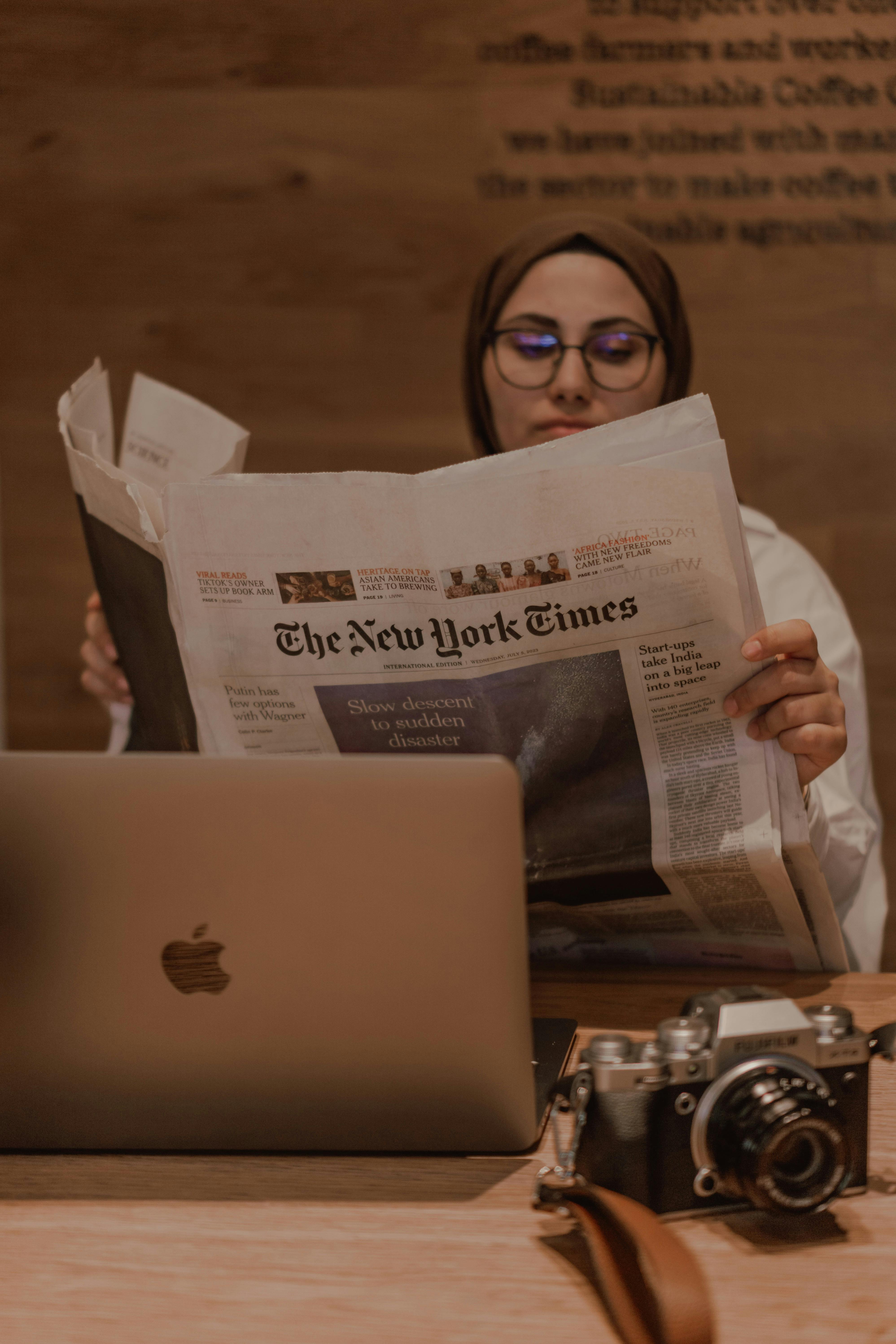
The influence of elite media extends to smaller outlets, which rely on these frameworks to determine newsworthiness. For instance, local editors often adopt stories flagged by organizations like the Associated Press or The New York Times, reinforcing a hierarchy of influence. This systemic reliance limits smaller outlets’ capacity to deviate from dominant narratives, creating a cycle where distractions—such as celebrity scandals and professional sports—supplant critical reporting on issues like social inequality or government corruption.
Moreover, mainstream media corporations are tightly interwoven with other centers of power, including government, universities, and private institutions. Journalists frequently depend on academic experts and think tanks to shape narratives, embedding media within the broader structures of capital and authority. These relationships amplify the hegemonic power of elite ideologies, subtly infusing them into public discourse.
Hegemony and Media Control

The concept of hegemony, as articulated by Antonio Gramsci, provides a lens to understand how elite groups dominate societal norms through media. By incessantly reinforcing specific ideologies, the media normalizes the values and perspectives of those in power, marginalizing dissenting voices. For example, African Americans and the poor are often stereotypically portrayed in ways that reinforce systemic biases (Gilens, 1996; Clawson & Trice, 2000).
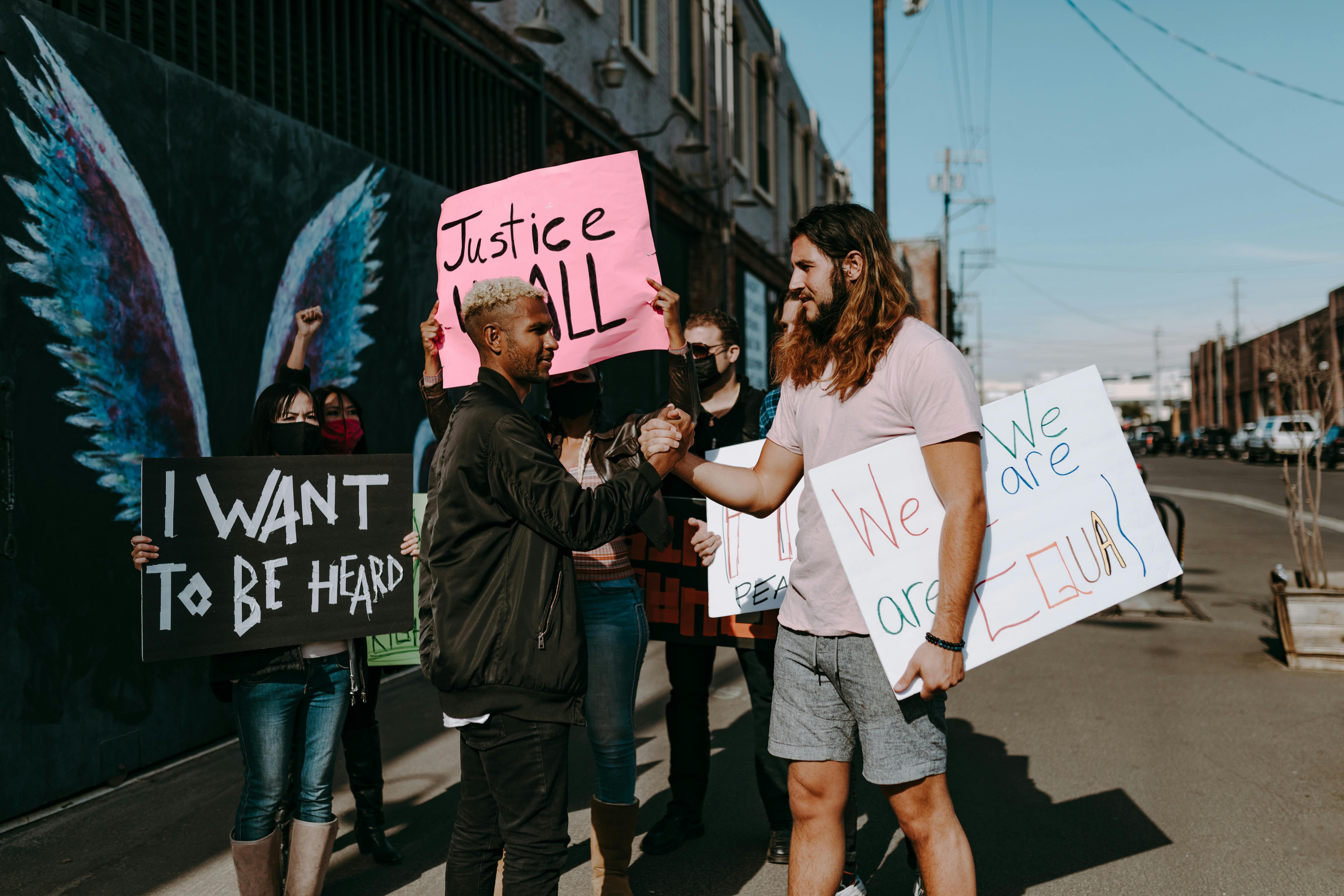
This hegemonic control, however, is not absolute. Research highlights the role of alternative media in creating counter-hegemonic frames that challenge dominant narratives. Platforms such as protest websites and independent news outlets positively influence political activism, providing avenues for public discourse that mainstream outlets often neglect (Boyle & Schmierbach, 2009; Leung, 2009).
The Decline of Investigative Journalism
Journalism historically played a critical role in holding power to account. Iconic investigations like Ida Tarbell’s exposé of Standard Oil and the Watergate scandal exemplify journalism’s potential as a democratic bulwark. Yet, contemporary journalism faces significant challenges, including underfunding and the pressures of commercialization. News coverage now prioritizes lifestyle and entertainment over pressing issues like national security or social welfare (Kovach & Rosenstiel, 2001).
Economic imperatives have driven media toward formulaic and market-driven content, limiting its ability to challenge systemic inequalities effectively (Bennett, 1996).

Alternative Media: A Counterforce to Capitalist Domination
Alternative media distinguishes itself through its critical approach to societal inequalities and opposition to mainstream narratives. Theorists like Fuchs and Sandoval emphasize the importance of participatory, non-commercial models that amplify marginalized voices and foster critical awareness. For example, alternative media often highlights the systemic oppression perpetuated by capital, patriarchy, racism, and nationalism, serving as a platform for excluded communities (Fuchs, 2010; Sandoval, 2009).
Downing (1995) notes that alternative media thrives in spaces neglected by mainstream outlets, providing a public forum for honest discourse and activism. However, for alternative media to sustain its critical role, it must adhere to journalistic ethics, ensuring accuracy and impartiality. Media literacy among both producers and consumers is essential to maintain independence from corporate and capitalist influences.
Conclusion
The dichotomy between mainstream and alternative media underscores the broader tensions within the media landscape. While mainstream outlets often reinforce elite ideologies, alternative media offers a critical counterpoint, challenging systemic inequalities and fostering democratic engagement. As societies grapple with the influence of media on public discourse, the role of alternative media becomes increasingly vital in promoting transparency, inclusivity, and social justice.
References
Albert, M. (1997). “What Makes Alternative Media Alternative?” Z Magazine.
Andersson, L. (2012). “There is No Alternative: The Critical Potential of Alternative Media for Challenging Neoliberal Discourse.” TripleC: Cognition, Communication, Co-operation, 10(2), 752-764.
Atton, C. (2007). “Current Issues in Alternative Media Research.” Sociology Compass, 1(1), 17-27.
Bennett, W. L. (1996). “An Introduction to Journalism Norms and Representations of Politics.” Political Communication, 13(4), 373-384.
Boyle, M. P., & Schmierbach, M. (2009). “Media Use and Protest: The Role of Mainstream and Alternative Media Use in Predicting Traditional and Protest Participation.” Communication Quarterly, 57(1), 1-17.


Leave a Reply