
Mood Ring Radio
Legends & Legacies: A Rock Hall Soundtrack
February 2025
Every month, Mood Ring Radio curates a playlist that reflects the mood of the moment—whether it’s the shifting seasons, cultural waves, or the energy of major events.
Co-curated by Tricia Chérie and Reilly Marie, this column bridges generations, mixing the new, the nostalgic, and the unexpected. Unlike algorithm-driven lists, we go beyond trends, pulling from any era to fit the vibe.
Because when it comes to music, feeling is everything.
This month on Mood Ring Radio, Reilly Marie and I (Tricia Chérie) break down the songs from artists representing this year’s Rock & Roll Hall of Fame nominees. I take the first round (marked TC), diving into seven tracks that showcase the magic of these legends—from The White Stripes’ electrifying Icky Thump to Soundgarden’s haunting Black Hole Sun. Then, Reilly (RM) picks up the mic, unpacking the impact of Outkast’s genre-blurring Rosa Parks, Oasis’ anthemic Champagne Supernova, and more.
The 2025 ballot introduces Outkast, Phish, Billy Idol, Joe Cocker, Chubby Checker, Bad Company, Maná, and The Black Crowes to the mix, Mariah Carey, Oasis, The White Stripes, Cyndi Lauper, Joy Division/New Order, and Soundgarden make another bid
But the Rock & Roll Hall of Fame is more than just record sales and longevity—it’s about the artists who shaped movements, built subcultures, and rewrote the rules of music. This year’s nominees didn’t just make hits; they made history.
So whether you’re here to celebrate your favorites or rediscover some classics, let’s dive into the songs that define rock & roll’s next class of legends.

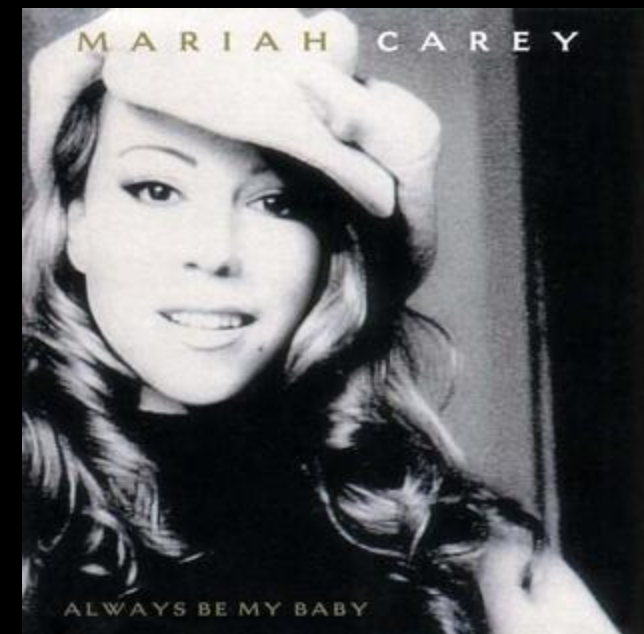
Mariah Carey – “Always Be My Baby“

Few albums are as ingrained in my life’s soundtrack as Butterfly. Released in 1997, it was the very first CD I ever owned. At seven years old, I was too young to understand the complexities of love and longing Mariah poured into those songs. However, her voice—effortless, soaring, laced with power and vulnerability—was mesmerizing. Butterflies are universally enchanting, and Butterfly felt like magic in my tiny hands.
But if there’s one Mariah Carey song that has stayed with me, it’s Always Be My Baby. I recorded it onto a blank cassette tape and, in the way only kids do when they find a song that speaks to them, I made it my own. By my early teens, it was my anthem. I’d belt it out on the school bus for anyone who asked—or even if they didn’t. I sang too much, but never quite badly enough for anyone to tell me to stop.
Mariah’s music wasn’t just something I loved—it was my first real vocal training, an early lesson in melody and emotion. The song’s rhythmic bounce—crafted by Jermaine Dupri’s signature production—feels like a lullaby for the heart, soothing yet impossible to forget. With its dreamy harmonies and effortless flow, it’s peak Mariah—the kind of pop-R&B magic that remains just as captivating today.
But it wasn’t until grief swallowed me whole that her voice became something else: a lifeline. When I lost my younger brother, I clung to One Sweet Day, Mariah’s collaboration with Boyz II Men. There’s never been another song quite like it—soaring harmonies wrapped in raw, aching truth, made for broken hearts. I played it on repeat, crying in the spaces between the notes, each one reaching a place words couldn’t touch. It was catharsis, comfort, and understanding in a way only music can be.
Mariah Carey’s music has followed me through every chapter of my life, from childhood wonder to the depths of loss. But Always Be My Baby remains the song that, no matter where I am or what I’m going through, takes me back to that little girl with her first CD, wide-eyed and ready to sing.
-TC
Billy Idol – “Rebel Yell“

Like most people, my early musical indulgences were shaped by my family. My mom’s old cassette tapes were my childhood soundtrack long before I ever owned a stereo of my own. Compared to the fleeting trend of HitClips, those tapes felt like treasure troves of sound—timeless, tangible, waiting to be rewound and played again.
Somewhere between Aqua and the Spice Girls, I stumbled upon two songs that became anthems of my preteen years: White Wedding and Rebel Yell.
To this day, I can’t say for sure why Rebel Yell captivated me so intensely—maybe because it was one of the only songs on that particular tape, or maybe because it was just that electrifying. Either way, I didn’t just listen to it—I lived it. I had a full-blown dance routine choreographed to every beat, every snarling lyric. My bedroom’s beige carpet became my imaginary stage, and Billy Idol’s gravelly croon felt like an invitation to embrace raw, uninhibited energy. I’d let my voice scratch and waver into an off-center vibrato, fully immersed in the song’s defiant spirit.
Idol’s signature sound—rock & roll infused with a crooner’s soul—defined an era and stretched far beyond it. His mix of sneer and seduction made him the ultimate MTV-era artist, and he continues to be a cultural force, collaborating with musicians like Miley Cyrus and Avril Lavigne.
Now, with his first studio album in over a decade, Dream Into It (out April 25 via Dark Horse Records), he reaffirms his staying power—proving that rock & roll isn’t just a genre, it’s a spirit. And Rebel Yell isn’t just a song—it’s the electrified battle cry that kicks open the gateway to its raw, unfiltered energy.-TC
Cyndi Lauper: “Time After Time”
Some songs simply refuse to fade, and Cyndi Lauper’s “Time After Time” is one of them. It’s been remade, rereleased, and covered an almost absurd number of times, yet listeners never seem to tire of it. Why? Because it’s the kind of song that fits into the plastic sleeve protector of our lives—we slip our own stories into it so effortlessly that it never truly disappears from the zeitgeist. Its cinematic ambiguity allows it to shape-shift, surviving decade after decade as a soundtrack to heartbreak, nostalgia, and everything in between.
Co-written with Rob Hyman during the making of She’s So Unusual, the song was born from a place of personal heartache as Lauper’s career skyrocketed.

Sonically, “Time After Time” operates with an almost deceptive fragility—its chiming guitars glisten like distant streetlights on a rainy night, while airy synths hover like ghosts of memories too precious to let go. The drumbeat, soft yet persistent, ticks along like a lovesick pulse, steady but aching. The song’s arrangement is like a dream state, turning the song into a whispered confession rather than a grand declaration.
The music video, drenched in quiet melancholy, unfurls like a faded postcard of lost love. Lauper’s raw sincerity makes it feel less like performance and more like memory itself.
Decades later, whether it’s being rediscovered through a movie, a heartfelt cover, or an intimate late-night listen, “Time After Time” remains the kind of song that never really leaves us. It lingers—waiting, always ready to be felt all over again.
-RM + TC
Soundgarden – “Black Hole Sun“
I love Soundgarden’s music, but I’d be lying if I said that any song cuts as deep as “Black Hole Sun”. It isn’t just a song—it’s an atmosphere, a descent into a surrealist dreamscape that Chris Cornell paints with his words and voice.

From the moment that signature guitar arpeggio drifts in, Black Hole Sun grips you, offering an uneasy beauty wrapped in eerie melancholy. Cornell’s vocals carry a quiet, simmering rage, like the storm before the collapse. He invites you to fall into the abyss, to be swallowed by a black hole disguised as the sun—a celestial force of warmth and life now turned into something destructive, devouring everything in its path.
If taken literally, the imagery is apocalyptic, but the song’s power lies in its ambiguity. It begs more profound questions: What is my version of this black hole sun? What is the terrible force in my life that promises oblivion under the guise of salvation?
Lyrically, Cornell walks the line between poetry and cryptic metaphor, offering just enough to evoke something deeply personal in each listener while refusing to spell it out. The song is both disorienting and oddly soothing, with its dreamlike progressions pulling you deeper into its world. The beautiful yet unsettling contrast makes Black Hole Sun one of the most evocative rock songs ever. -TC
The Black Crowes: “Goodbye Daughters of the Revolution”
Swaggering, soulful, and steeped in defiance, “Goodbye Daughters of the Revolution” kicks off Warpaint with a blues-soaked march toward reinvention. It’s a declaration of independence—both musically and spiritually—wrapped in Chris Robinson’s raspy wail and Rich Robinson’s swampy, riff-heavy guitar work.
The Black Crowes’ own journey—after seven years away from the studio—made Warpaint a long-awaited return, and “Goodbye Daughters” became its anthem of reawakening.
The song’s loose, live-in-the-room energy is no accident. Recorded in just three weeks with minimal overdubs, Warpaint was meant to capture raw chemistry over studio perfection—and it shows. The swirling organ lines, mandolin flourishes, and stomping rhythms channel the Crowes’ Southern rock roots while keeping an eye on the road ahead.
Part battle cry, part gospel-tinged blues hymn, “Goodbye Daughters of the Revolution” isn’t just a standout track—it’s a mission statement, proving that the Crowes, even after years of silence, never lost their fire. -RM

The White Stripes: “Icky Thump“
I can’t think about The White Stripes without remembering the kid next to me in Earth Science class. While we learned about plate tectonics, he schooled me on the band that would become one of my all-time favorites. He raved about their blistering live shows, raw energy, and the fact that they were so much more than “Seven Nation Army”—a song that once ruled the world. And yeah, it was one of my brother’s favorites growing up, a certified banger, a battle cry that still hits like a cavalry charge.
But The White Stripes were never just about one song. They had a brand before branding was mandatory—a red-and-white aesthetic as sharp as their sound. Jack White’s searing guitar riffs and Meg White’s primal drumming created an intensity that full-sized bands could only dream of. It was a one-two punch—only two musicians required.
Among their defining tracks, “Icky Thump” still resonates well into my 30s, as relevant now as it was in 2007. Named after a Northern English exclamation (“Ecky Thump!”—a euphemism for hell), the title was tweaked for American ears. But the song? It never softened its bite.
At its core, Icky Thump is a scathing takedown of American immigration hypocrisy, exposing a system that dehumanizes the very people whose labor the country depends on. Jack White delivers its most defining lines like a slap to the face:
“White Americans, what? / Nothing better to do? / Why don’t you kick yourself out? / You’re an immigrant too.”
It was a rebellious response to Bush-era immigration policies, but 17 years later, it still lands just as hard. Xenophobia hasn’t faded; it’s only gotten louder. The irony? A nation built by immigrants still slams the door on those chasing the same dreams.
A Musically Unhinged Protest
Musically, Icky Thump is as wild and unhinged as its message. Jack’s fuzzed-out guitar rips through the track with erratic, feral energy—his solos twisting and snarling like a rattlesnake ready to strike. The Univox synthesizer injects an extra dose of chaos, making the whole thing feel raw and strangely futuristic.
And Meg’s drumming? Thunderous, minimalist, and completely in control—proof that her stripped-down style was the backbone of The White Stripes’ sound. The song lurches and shifts tempos without warning, mirroring the unpredictable world it calls out.
Even the music video drives the point home. Set in Mexico, it shows Jack being held hostage by a woman while border-crossing workers build a wall—symbolism that felt pointed then and eerily prescient now.
A Legacy of Defiance
In a catalog packed with rebellious anthems, Icky Thump might be The White Stripes at their most defiant. It’s loud, unapologetic, and impossible to ignore—daring listeners to confront their views on immigration and privilege. And with the same battles still raging, the song hasn’t lost an ounce of urgency. -TC
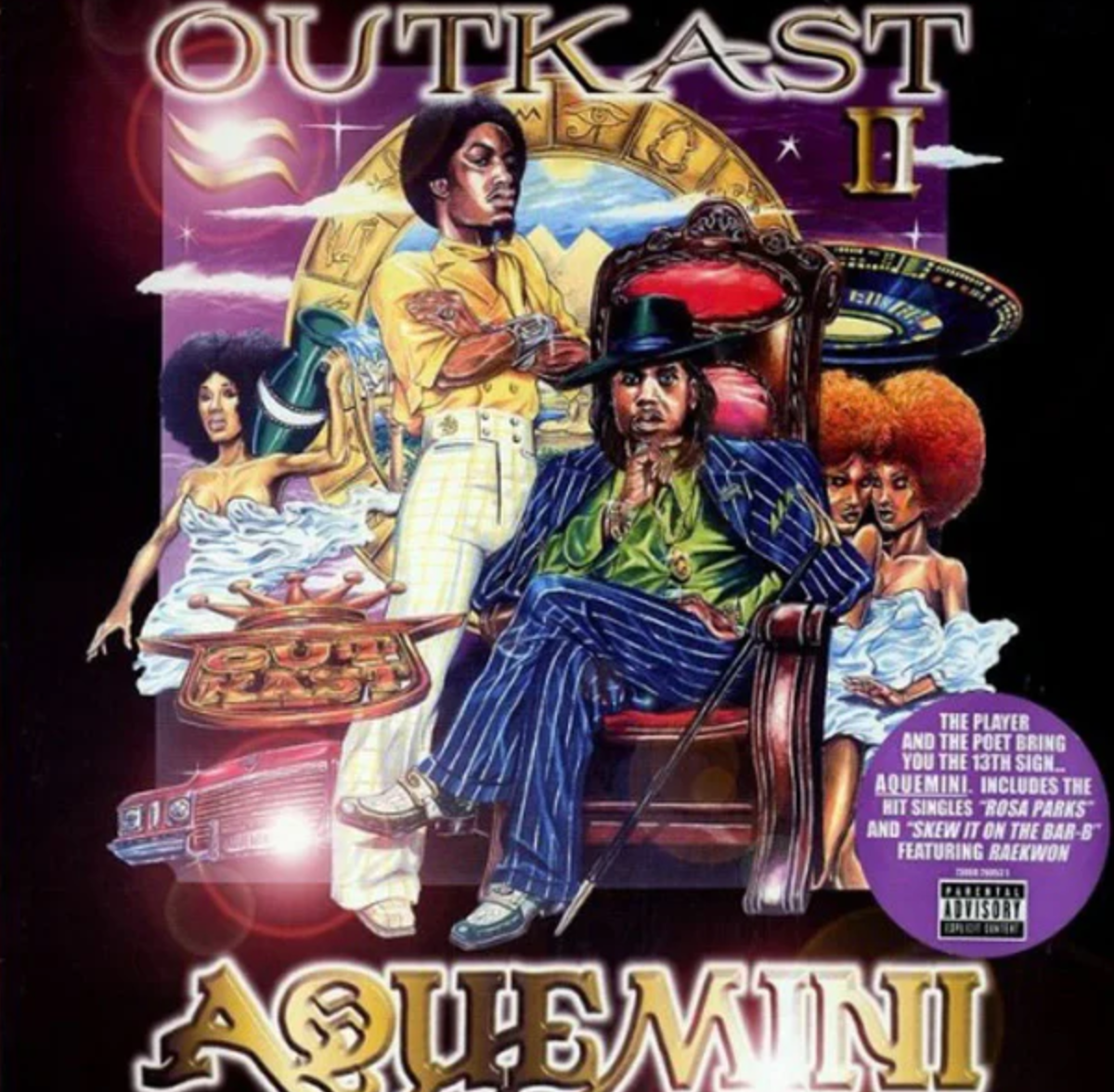
Outkast: “Rosa Parks”
If hip-hop had a road map, OutKast circa 1998 was way more interested in the detours. A fusion of jazz, funk, and hip-hop, “Rosa Parks” is an audacious statement on challenging norms and defying expectations.
The song’s hook—“Ah ha, hush that fuss / Everybody move to the back of the bus”—wasn’t meant as a direct nod to Rosa Parks‘ activism but rather as a challenge to hip-hop’s old guard, making way for OutKast’s new wave of innovation.
A Genre-Bending Masterpiece
Their signature genre-blending was already in full effect, weaving Southern blues, funk, and rap with an unexpected harmonica solo from André 3000’s stepfather, Rev. Robert Hodo. The result? A track that feels deeply rooted in tradition while still sounding ahead of its time.
Though its reference to the civil rights icon sparked controversy, Rosa Parks remains a standout on Aquemini and a testament to OutKast’s boundary-pushing artistry.
The Lawsuit That Sparked a Bigger Conversation
But Rosa Parks didn’t just shake up hip-hop—it landed OutKast in court. In 1999, Rosa Parks sued the duo, arguing they used her name without directly connecting it to her activism. The case made its way to the U.S. Supreme Court before settling in 2005, with OutKast agreeing to fund educational programs through the Rosa and Raymond Parks Institute for Self Development.
Ironically, the lawsuit only amplified Parks’ legacy, sparking conversations that reintroduced her full story to a younger generation—one that had likely only encountered the sanitized textbook version.
A Visual Celebration of Southern Roots
The music video leaned even further into OutKast’s Southern roots, filmed outside Atlanta’s historic Royal Peacock nightclub, a venue that once hosted legends like James Brown and Aretha Franklin. The Morris Brown College marching band—later heard on “Bombs Over Baghdad (B.O.B.)”—infused the visuals with the same bold energy that defined the track, bridging past and present Black musical traditions.
A Hip-Hop Classic That Refuses to Fade
Despite peaking at No. 55 on the Billboard Hot 100, Rosa Parks became Aquemini’s biggest single, earning a Grammy nomination for Best Rap Performance in 1999.
Today, it remains one of OutKast’s most celebrated tracks, consistently ranking among their greatest songs in retrospectives by The Guardian and The Ringer.
Decades later, Rosa Parks still refuses to be background noise. It’s as sharp, urgent, and unapologetic as the day it dropped—demanding to be heard, debated, and blasted at full volume.
-RM + TC
Bad Company – “Feel Like Makin’ Love”
Lust and longing rarely sound this massive. “Feel Like Makin’ Love” straddles the line between soulful confession and stadium-sized explosion, shifting effortlessly from acoustic tenderness to searing, electric grit. With Paul Rodgers’ powerhouse vocals simmering through each verse before detonating into Mick Ralphs’ thunderous power chords, the song captures the very essence of tension and release.
Rodgers first penned the lyrics in a California commune in 1969, but the song didn’t take its final form until Bad Company’s 1974 sessions at Clearwell Castle. It was Ralphs’ now-iconic muted “duh-duh” chord shift that transformed the track from a country-tinged ballad into a full-throttle rock anthem.
Released in 1975 as part of Straight Shooter, the song tore through the Billboard Hot 100, peaking at No. 10, and later earned a spot on VH1’s Greatest Hard Rock Songs of All Time list.
Decades later, “Feel Like Makin’ Love” still pulses through rock radio, packed arenas, and late-night playlists. Whether fueling a whiskey-soaked singalong or setting the mood for something more primal, its swagger and smolder haven’t lost their spark. -TC
Oasis – “Champagne Supernova“
Some songs feel less like compositions and more like experiences—“Champagne Supernova” is one of them. As the grand finale to (What’s the Story) Morning Glory?, it drifts in like a haze, soft and shimmering at first, then swelling into something explosive and all-consuming.
Liam Gallagher’s vocals stretch across the cosmos, Noel Gallagher’s guitar work expands like a supernova itself, and the whole thing feels like a fragmented memory slipping just out of reach.

A Song Wrapped in Mystery
The song’s meaning has been endlessly debated, yet even Noel Gallagher himself admits he doesn’t fully know what it’s about. Depending on the day, he’s described it as:
- A reflection on the fleeting nature of youth
- A song about nothing
- A byproduct of being “out of it” on drugs
One thing is certain: its abstract, surrealist lyrics, from “Slowly walking down the hall, faster than a cannonball” to “Where were you while we were getting high?”, have only deepened its mystique.
A Britpop Masterpiece
Musically, “Champagne Supernova” stretches Britpop to its limits. Noel Gallagher’s soaring guitar solos and Paul Weller’s layered guest work on lead guitar and backing vocals turn a ballad into a full-blown spectacle.
The song builds slowly, expanding and unraveling until it erupts in its final moments—a sweeping, psychedelic send-off to one of the ‘90s’ most defining albums.
A Dreamlike Visual Companion
The Nigel Dick-directed music video leans into the song’s surrealism. Shot at Ealing Studios, it drifts through slow-motion visuals, fading dreamlike imagery, and a brooding Liam Gallagher, perfectly mirroring the track’s hazy, otherworldly feel.
Legacy of a Britpop Anthem
Though never released as a single in the UK, “Champagne Supernova” topped the U.S. Modern Rock Tracks chart and became a staple of Oasis’ live shows.
Over the years, it has been hailed as one of the band’s greatest songs by The Guardian, Rolling Stone, and NME.
Its power isn’t just in its ambiguity—it’s in the way it lingers. Whether heard as a fading memory, a lost friendship, or a beautifully nonsensical trip, “Champagne Supernova” continues to resonate.
-RM + TC
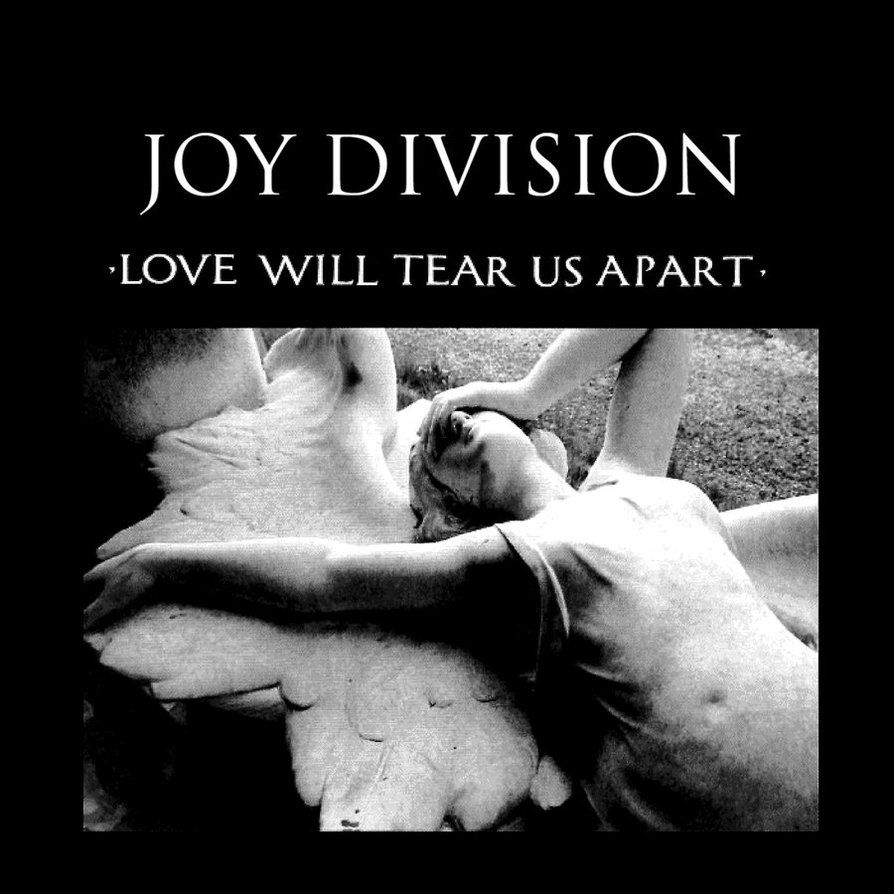
Joy Division – “Love Will Tear Us Apart”
Some songs exist in the moment, and others haunt the airwaves like ghosts—“Love Will Tear Us Apart” is firmly in the latter camp. Released just weeks after Ian Curtis’ suicide in 1980, it’s less a breakup song and more a slow-motion collapse, unraveling in real-time.
Born from Ian Curtis’ failing marriage and the weight of his epilepsy, the track is as icy as it is devastating, its melody deceptively bright against lyrics that read like a post-mortem of love gone terminal.
A Song That Feels Like a Slow Collapse
“When routine bites hard and ambitions are low…”—right from the jump, Joy Division captures the numbness of watching something once beautiful turn hollow.
- Peter Hook’s bassline stalks, restless and relentless, like a faulty heartbeat reaching out for rescue
- Bernard Sumner’s bright synths ring out with icy detachment, casting a cold, synthetic glow over the unraveling heat of emotion
- Stephen Morris’ drums drive the song forward, like a slow, inevitable descent into something inescapable
The Haunting Power of Restraint
And yet, “Love Will Tear Us Apart” never fully erupts. Instead, it lingers in a loop of longing and detachment, its tension never breaking. That push-and-pull is what makes it so intoxicating—too raw to ignore, too haunting to escape.
A Song Frozen in Time
More than four decades later, it remains, frozen in time, a song forever circling the moment before everything falls apart. -TC
Maná – “Rayando el Sol”
Released in 1990 as the lead single from Falta Amor, “Rayando el Sol” marked the beginning of the band’s rise to Latin rock royalty.
Translating to “Scratching the Sun,” the song aches with unfulfilled love, longing, and the agony of waiting for someone who never comes. Fher Olvera’s raw, urgent vocals stretch across a soundscape of crisp guitars and soaring melodies, turning every lyric into a plea, every note into an echo of desperation.
“Es más fácil llegar al sol que a tu corazón,” he laments—“It’s easier to reach the sun than your heart.” That imagery alone is enough to solidify the song as a cornerstone of heartbreak anthems.
A Song That Endures
Despite being more than three decades old, “Rayando el Sol” continues to resonate, its themes of yearning and emotional distance feeling just as sharp today.
Its staying power was reaffirmed in 2019, when Maná revisited the song with Pablo Alborán, stripping it down to a raw, acoustic duet that highlighted its haunting beauty.
A Timeless Anthem
Whether blasting from a car radio or performed live in a stadium packed with generations of fans, “Rayando el Sol” remains a testament to the kind of music that never fades—only deepens with time. RM+TC
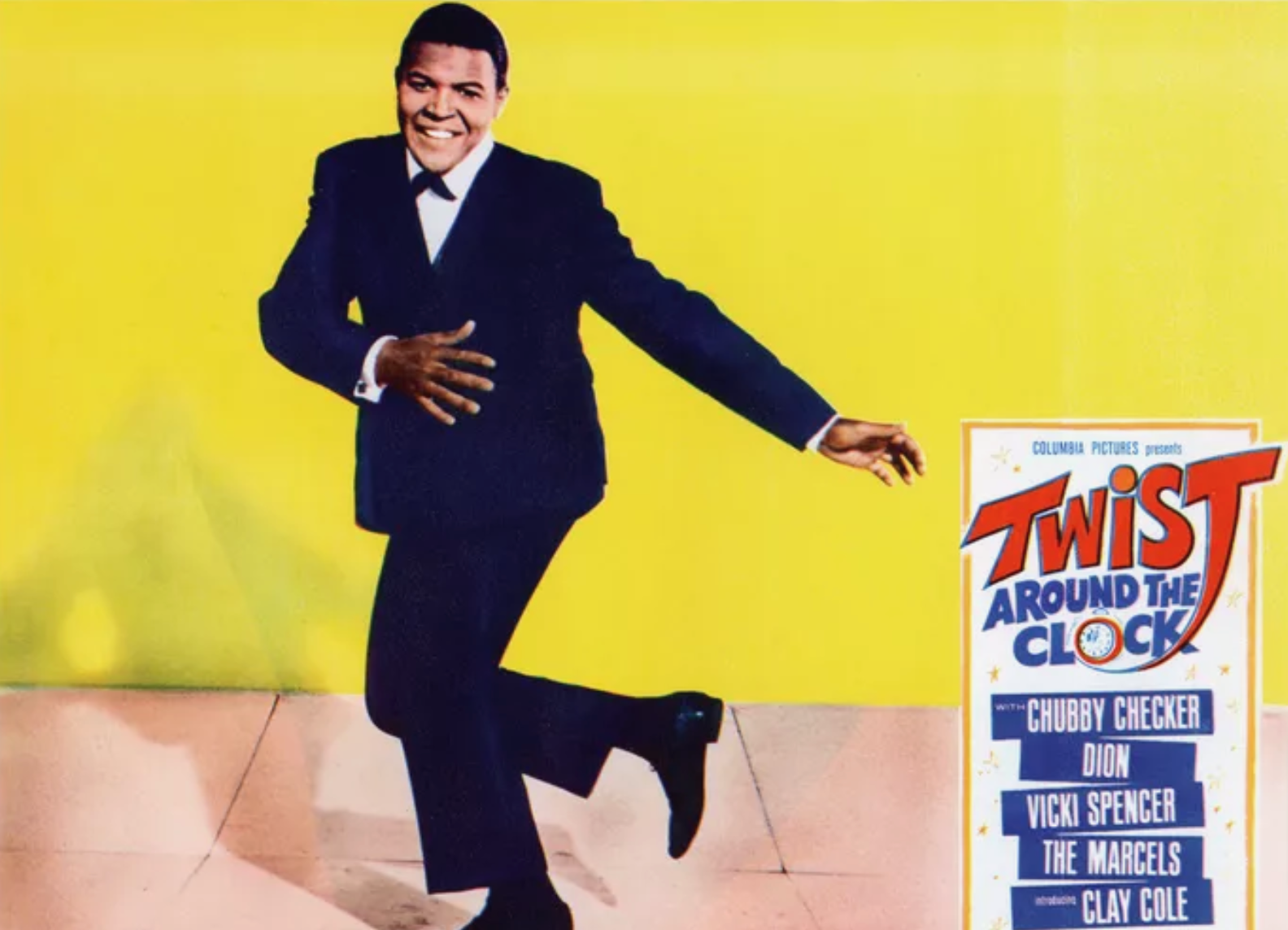
Chubby Checker: “The Twist”
Long before “Crank That (Soulja Boy)” or “Teach Me How to Dougie”, a dance phenomenon stood the test of time, bringing generations together on the dance floor.
What made “The Twist” truly magical was its simplicity—you didn’t need to know swing, ballroom, or complex choreography. If you could shift your weight and swivel your hips, you could dance with the best of them.
The Chart-Topping Impact of “The Twist”
Released in 1960, “The Twist” went on to top the charts, becoming the first song to hit No. 1 on the Billboard Hot 100 twice while flipping dance culture. This wasn’t a passing trend; it was a movement.
The Twist turned dance floors upside down, influenced branding, and even helped shape the idea of dance as exercise.
Breaking Tradition: The Birth of Freestyle Dancing
Before The Twist, dancing was all about structure—partners moved in sync, holding each other close. Then came Chubby Checker, and suddenly, dancing apart to the beat was born.
There was no fancy footwork, no complicated routines—just pure, uninhibited movement. That freedom made The Twist an instant sensation, welcoming dancers of all skill levels into the craze.
Checker recorded versions in German, Italian, and French to keep up with its worldwide takeover. By 2013, Billboard had officially named it the No. 1 song of all time, outranking over 25,000 tracks spanning 55 years.
The Twist’s Role in Dance-Based Fitness
But The Twist unknowingly set the stage for dance-based fitness. Before workout classes and TikTok dance challenges, Chubby Checker was already blurring the line between music and exercise.
As he once put it:
“Before Chubby Checker, exercise in music was just not here. I was doing The Twist, and people started doing The Twist, and they thought it was a great idea to do The Twist and exercise.”
That connection between movement and music became a game-changer, proving that dance could be just as much about feeling good as it was about looking good.
A Dance Craze That Never Fades
And The Twist was just the beginning. Chubby Checker kept the dance craze momentum going with “Pony Time”, “The Mashed Potato”, and “The Watusi”, giving ‘60s kids a new move to master practically every week.
Over 60 years later, The Twist is still everywhere—movies, commercials, wedding playlists—because some moves never go out of style.
So next time you hit the dance floor, forget the fancy footwork. Just twist like you’re squishing two bugs, and you’ll be grooving with generations who made history doing the same thing.-TC
Joe Cocker – “Delta Lady“
Some covers don’t just reinterpret a song—they redefine it. “Delta Lady”, originally penned by Leon Russell for Rita Coolidge, found its raw, electrified soul in Joe Cocker’s hands. His version, released at the height of the British rock invasion, pulsed with gospel, blues, and unfiltered emotion, setting the stage for his legendary Mad Dogs & Englishmen tour.
A Defining Rock Moment
Onstage, Cocker turned Delta Lady into a feverish spectacle, wringing every ounce of feeling from each note while backed by Russell on piano and powerhouse vocals from Rita Coolidge and Bonnie Bramlett.
Though it never cracked the U.S. Top 40, the song became a defining moment in rock history, solidifying Cocker and Russell’s creative partnership and proving that a great cover isn’t imitation—it’s transformation.
A Song That Keeps Evolving
Even after Cocker made it famous, Delta Lady kept evolving, later recorded by Leon Russell himself and covered by artists like Tom Jones and Counting Crows.
But no version captured its wild, untamed spirit quite like Cocker’s—a moment of pure, unfiltered rock ‘n’ roll energy.
-TC
Phish – “Divided Sky“
Phish has built a subculture that stretches far beyond their music, and “Divided Sky” is one of their most revered tracks.
Originally composed by Trey Anastasio in college, this nearly 12-minute instrumental unfolds like a symphony—no lyrics, just waves of melody, tension, and soaring resolution.
A Live Experience Like No Other
Live, it becomes a ritual. A dramatic pause holds the crowd in breathless anticipation until the guitar solo erupts, sending the audience into a frenzy.
It’s not just a song—it’s a shared moment, a sonic experience that binds Phish fans together.
For me, Divided Sky is literally the only song I have any interest in. But for Phish devotees, it’s sacred—a track where every note carries weight and every silence is electric.
-TC


Leave a Reply