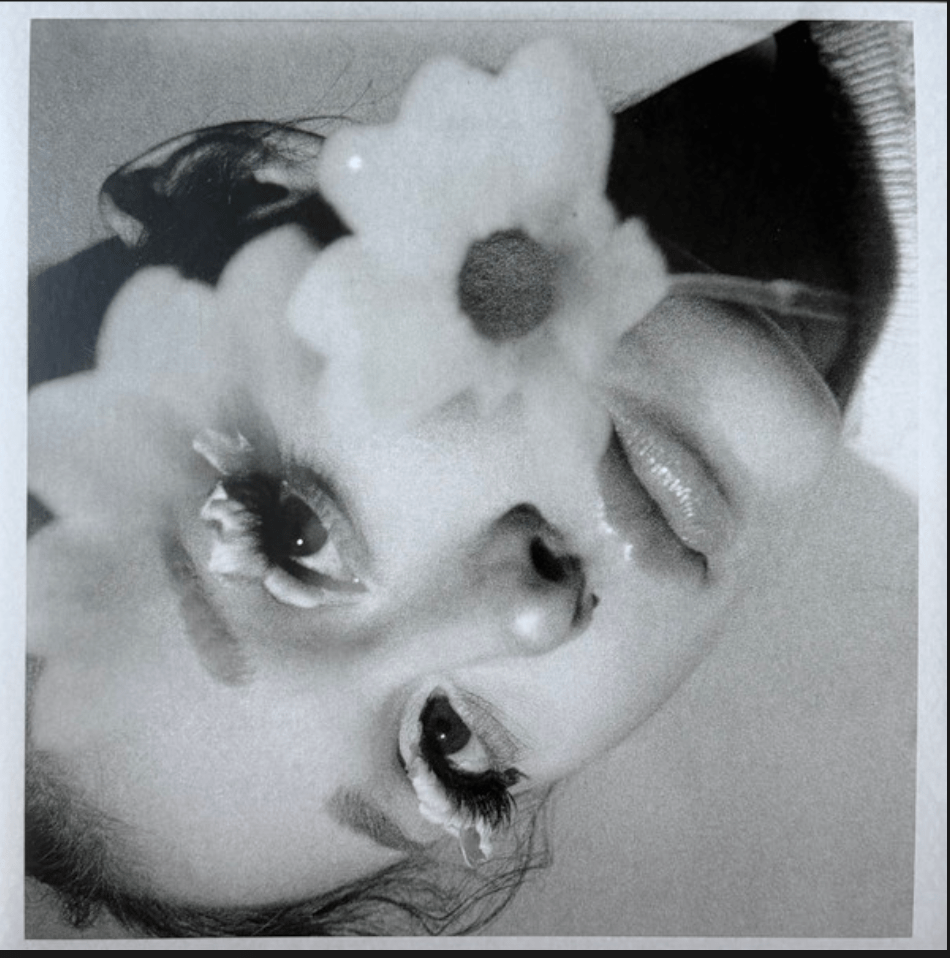
Finds Power in Quiet Rage
BY: FARAH AHMED
On Petal, Ariana Grande sounds increasingly aware of what it means to belong to everyone but yourself.
Released July 31, 2026, through BabyDoll Music, Grande’s personal label and Republic Records imprint, her eighth studio album finds the pop star turning her attention toward the uneasy relationship between fame, artistry and an audience that can adore her as quickly as it can dissect her.
Co-written and executive produced by Grande alongside longtime collaborator Ilya Salmanzadeh, with Max Martin returning to a creative partnership that has helped define much of her career, Petal carries traces of Grande’s past without trying to recreate it. Instead, she seems more interested in what years of scrutiny have left behind.
There is anger here, but rarely the explosive kind. It lives in processed vocals, clipped lyrics, and songs that blur gratitude with resentment, desire with defensiveness, and intimacy with the discomfort of constant observation.
Musically, Grande remains rooted in familiar territory—R&B, synth-pop, trap and the darker edges of Dangerous Woman and Positions—but Petal often twists those sounds into something moodier, stranger and less settled. Restless.
“Kiss Me”
“Kiss Me” is a strong opener, immediately establishing Petal’s dreamy synth-pop atmosphere. Grande’s densely layered vocals recall Imogen Heap, while her movement between a warm lower register and lighter upper vocals keeps the arrangement from feeling too polished.
It sounds recognizably Grande without simply repeating an earlier era.
“hate that i made you love me”
The lead single introduces one of Petal’s central tensions: the relationship between an artist and the people who feel ownership over her.
“Is it really my fault you gave me your hearts with your own accord / I don’t really think,” Grande sings over dark synths and processed vocals.
The song can work as a romantic confrontation, but within the album it feels equally directed toward an audience capable of loving Grande one moment and resenting her the next. That “love to hate me” dynamic becomes one of Petal’s strongest recurring ideas.
“Petal”
The title track pushes that frustration further.
Distorted guitar, heavy drums and synths give “Petal” one of the album’s grittiest arrangements, while Grande directly challenges the expectation that artists need to suffer for their work.
“They say artists need tears / to write again,” she sings, later insisting, “But I’m not a victim / I’m practically drowning in my blessings.”
That contradiction is more interesting than a straightforward empowerment anthem. Grande acknowledges her privilege without pretending it erases frustration or pain.
“Stay” / “Oh Well”
“Stay” moves the album into warmer R&B territory, recalling Positions through its relaxed production and clipped vocal phrasing. It’s pleasant, though not quite as distinctive as the album’s stronger moments.
“Oh Well” fares better. Layered vocals, electronic production and an instrumental break again nod toward Imogen Heap’s influence, while giving Grande enough room to experiment without overloading the track.
“Big Feelings”
“Big Feelings” is another R&B-heavy moment, driven by bass, drums and piano.
What makes it work is its structure. A softer, layered bridge briefly interrupts the groove before Grande returns to the chorus with considerably more force. It’s a good example of Petal taking something familiar from her catalog and finding a slightly new shape for it.
“Freak”
“Freak” is one of the album’s clearest highlights.
Grande opens in a rich lower register over dark synths before floating into a lighter soprano during the pre-chorus. That constant movement mirrors the song’s tension between wanting freedom and feeling boxed in by other people’s expectations.
Electric guitar and understated synths keep the track dramatic without becoming overwhelming. It’s one of the moments where Petal’s production and lyrical ideas feel most completely aligned.
“Warning Signs (Interlude)”
“Warning Signs” continues the atmosphere of “Freak,” but strips it down into something more unsettling.
Grande’s lower, processed vocals sit against chopped production as she describes affection turning into abandonment. By the final line—“I wish someone could hear me”—the vocal effects feel almost ghostly.
For an interlude, it carries some of the album’s heaviest emotional material.
“Like I Do”
“Like I Do” combines electric guitar, R&B and trap production in a way that recalls the darker sensuality of Dangerous Woman.
The bass is heavy; Grande sounds unusually commanding and the chorus is deliberately blunt: “Nobody fucks you like I do.”
It isn’t subtle, but that’s also the point.
“Never Get Over Me”
“Never Get Over Me” offers some necessary breathing room.
The production glides rather than punches, while Grande’s vocals stay soft and loose over a catchy R&B groove. It isn’t one of the album’s most adventurous songs, but it works because it doesn’t try to be.
“Bad Thing (Bunny Hop)”
“Bad Thing (Bunny Hop)” is the album at its brightest and most straightforwardly synth-pop.
Even here, though, Grande undercuts the sweetness with insecurity. “Feeling like a teenager / I guess I really needed ya,” she sings in the pre-chorus, capturing the uncomfortable combination of excitement and self-doubt that runs underneath the track.
Its immediacy also makes its recent popularity on TikTok unsurprising.
“Nowhere Nobody”
“Nowhere Nobody” closes Petal by pulling the album inward.
The layered harmonies and synth production are lush, but the song feels less like a dramatic finale than an exhale. After spending much of the record responding to expectations, Grande finally sounds like she’s trying to step outside them.
That restraint makes it an effective closer.
Final Thoughts
Petal works best when Grande allows frustration and gratitude to exist at the same time.
Not every song pushes her sound forward, and several tracks rely heavily on familiar R&B and synth-pop textures from earlier albums. But the strongest moments—particularly “Petal,” “Freak” and “Warning Signs”—give those familiar sounds a sharper emotional purpose.
The album is angry without constantly shouting about it. Grande sounds exhausted by being watched, interpreted and consumed, but she never completely loses sight of why she makes music in the first place.
There are thorns here, but Petal isn’t interested in pretending growth happens without them.



Leave a comment